


Well, we don’t have 36 hours here in Santiago – only this day and an overnight. We combine essential sleep, a long walk home from the museum through the Lasstarria neighborhood with book stalls and colorful musicians, cafes and lots of young people walking the streets.
We are two hours ahead of NYC where we left last night on the over night flight. A driver transferred us to the hotel in center city. We sleep off the jet lag through the morning. I’m so tired I promise myself I don’t have to do anything for a day. The system works. We recover in about 4 hours and are ready to go by 2.
It is a remarkable experience at the renowned and finally renovated Museo de’l Arte PreColombino. Closed the last two times we were here, the collection and presentation do not disappoint!
The exterior of this renovated court house is almost on the Plaza de Armas, but we still find the entrance hard to find. A classic courtyard houses a gift shop of beautiful (heavy) books and a cafe. We pay 10,000 pesos for both of us to enter – my first transaction this trip. I think the cashier is returning the money to me when he pays me back 1,000 peso bill! Ah a mere 0! The education begins. 9,000 is $13. Got it?
I download the museum app thru their wifi system. This will be a helpful resource, tho all the information is bi lingual and well written. At each station, there is a bar code that is quickly scanned by my phone (I’ve never done this before) and audio descriptions play , tho the recordings don’t seem to distract other visitors.
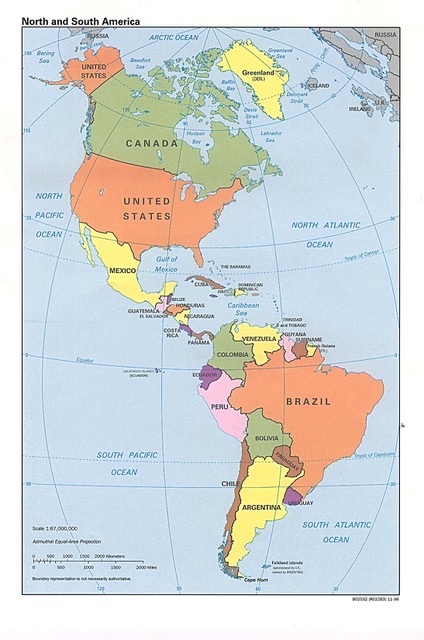
The stairs lead us by an enormous slate gray map of the Americas that stretches from Alaska up on the ceiling to Tierra del Fuego that touches the floor boards. The pre Colombian cultures from Mexico to Patagonia are marked with red dots, while red wires encircle the combined cultures of the Maya’s, the Aztek and the Incas, among others. The rivers are a lovely pattern of cut away slips in the slab. This huge relief is lit by tiny bulbs that make shadows on the wall and ceiling. The crisp edges seem to blur in the photo!
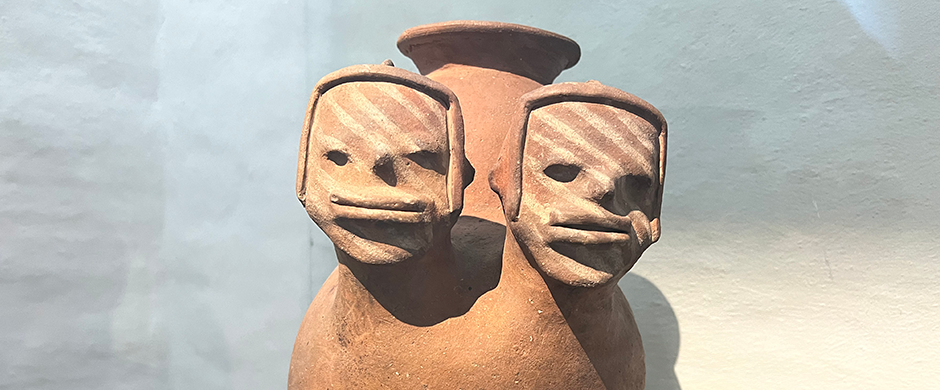
The sophisticated Mochica culture (that we visited about 3 years ago north of Lima in Chiclayo and Trujillo) is carefully described. The ceramics are excellent specimens- the best in the world are here – a stunning a double jug with a bird propped on one side could be filled with water on side. When the mouth was blown, the sound of the water inside could warble and whistle.
The lower floor is for Chilean objects. Here small mummies are on view and the process is described. There is even a pre natal skull!
The surfaces of the ceramic a could be polished or smooth or rough creating different characteristics – for instance representing the skies versus the human condition.
An enormous quipu from the Inka culture is here with the Chilean objects. They could record over 15,000 items including what type of item it was.
We finish our visit with huge Mapuche carved wooden statues that look a little like the stones of Rapa Nui, Easter Island.
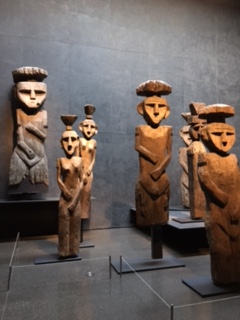
The beautifully presented rooms are a salve for jet lag.
We end our visit with a crystal clear mineral water and I have a coffee – my first since long before we left home.
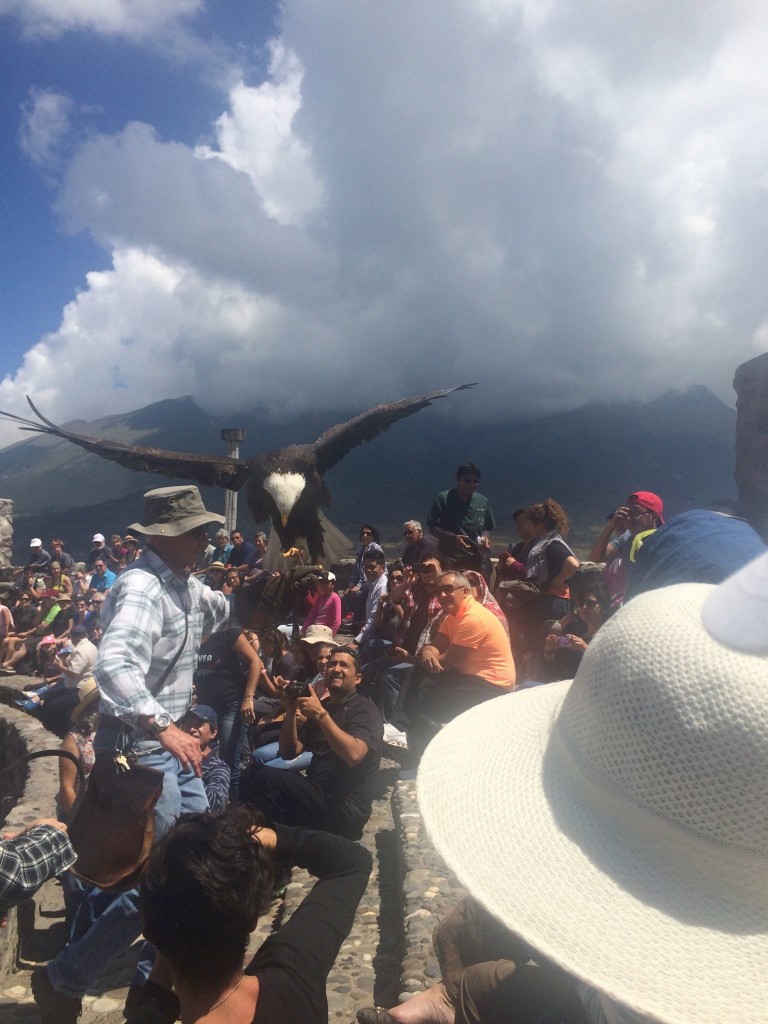
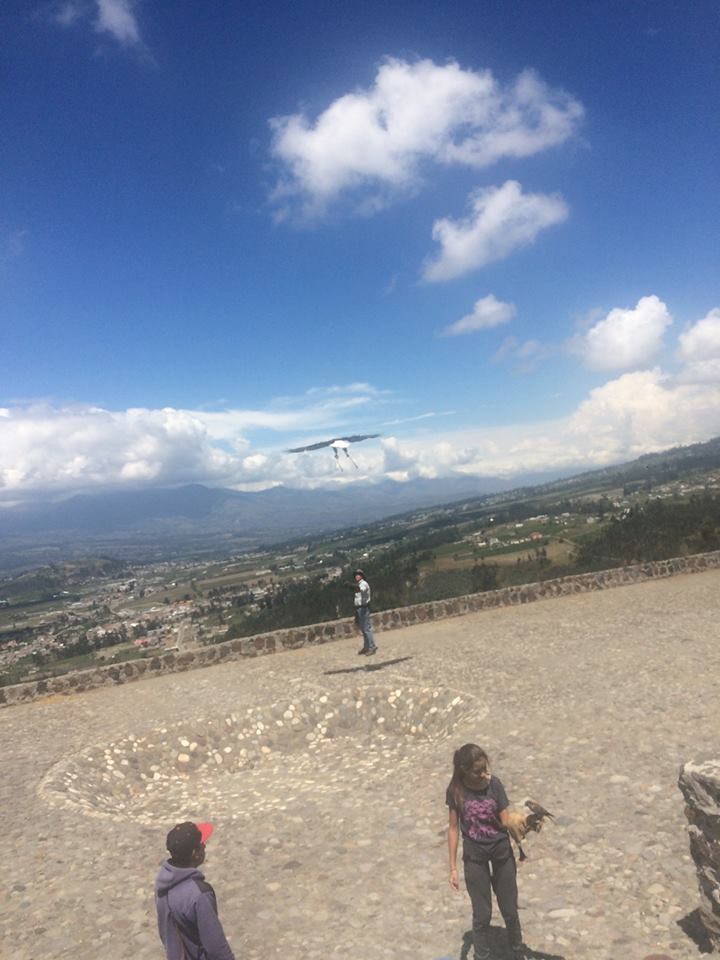
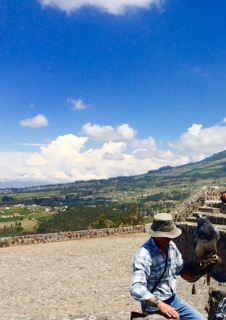
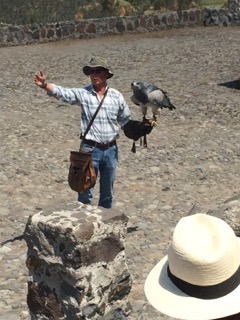
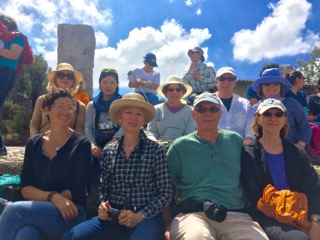
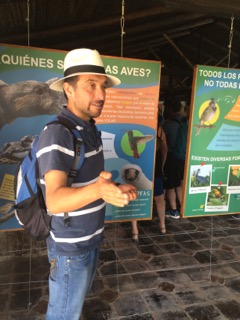
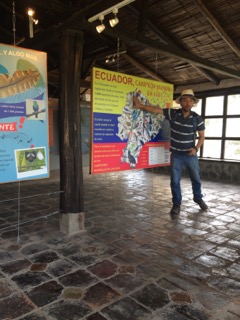
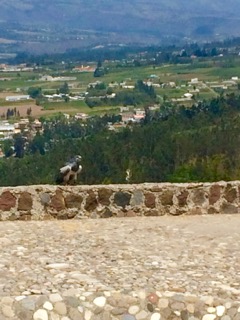
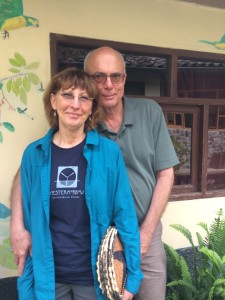 We really didn’t know what to expect with your Art Tour to Ecuador… actually apprehensive about South America travel, yet we took the leap based on knowing you folks. So how did it go?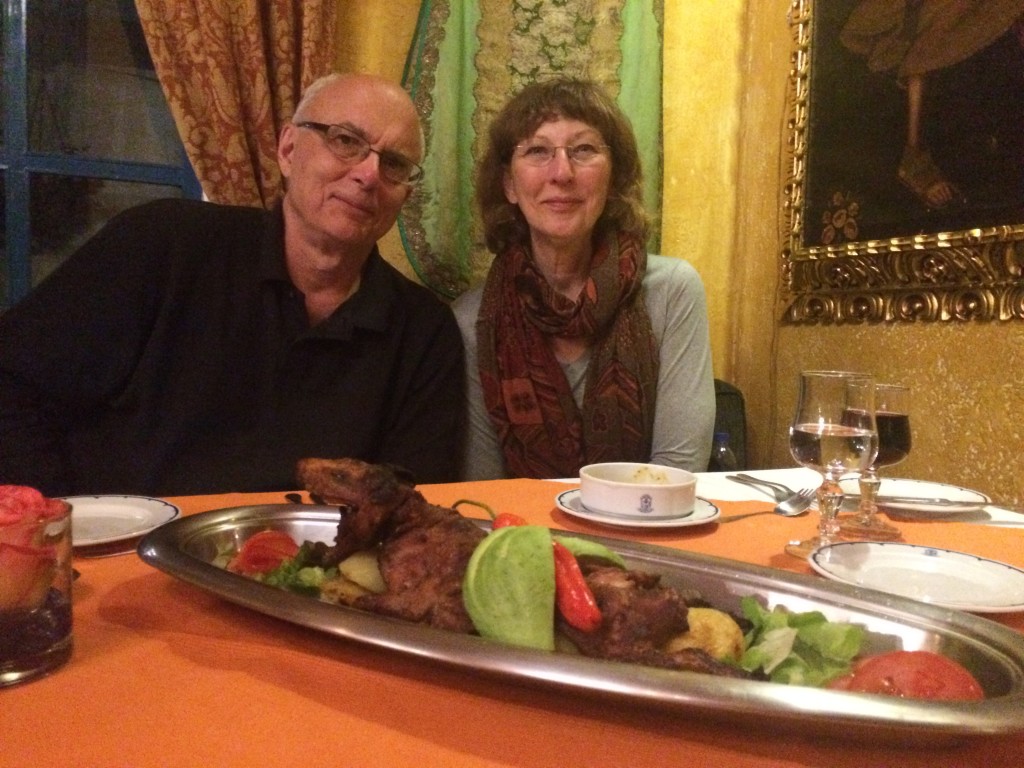
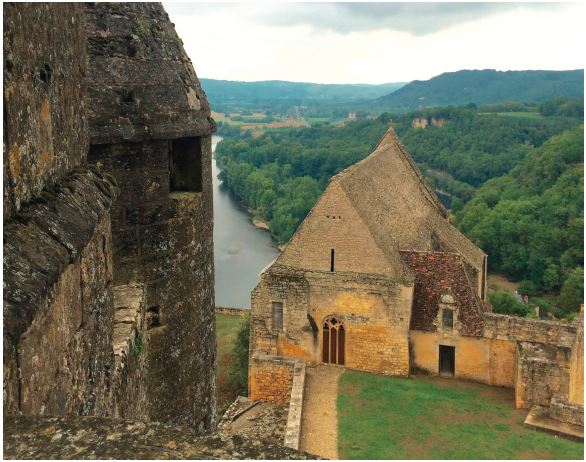
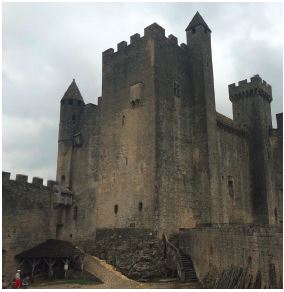 New View Tours is pleased to offer a 11 night/12-day exploration of the castles and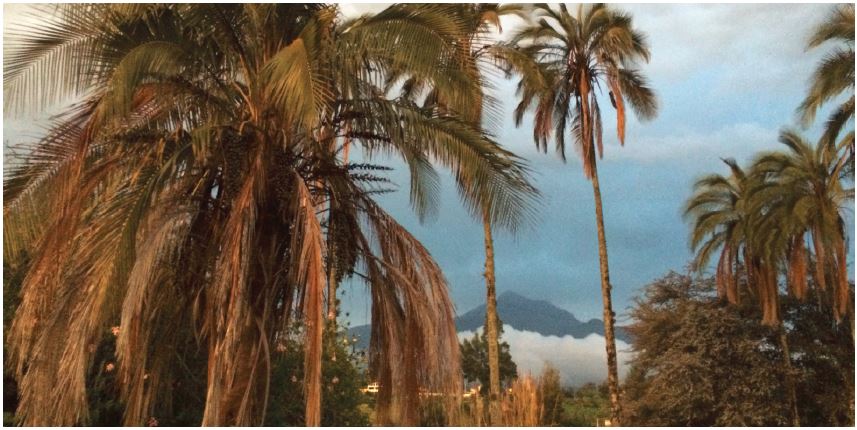
 Here is how to contact us:
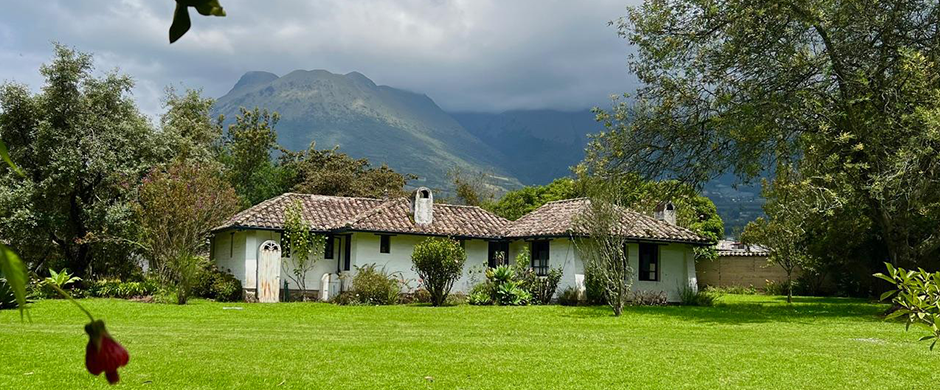
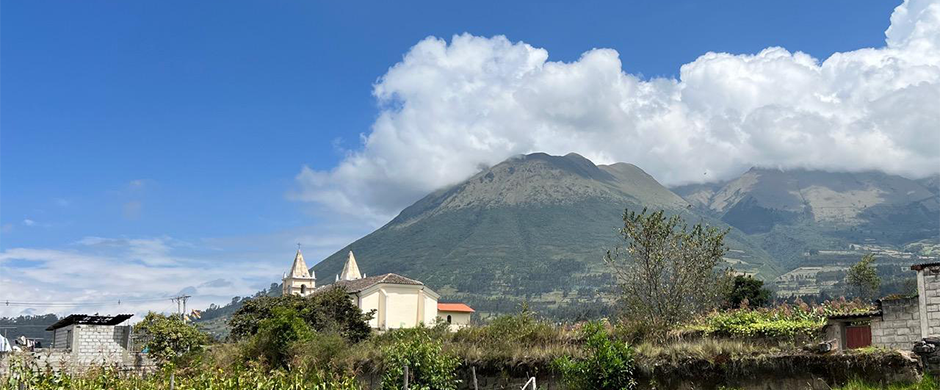
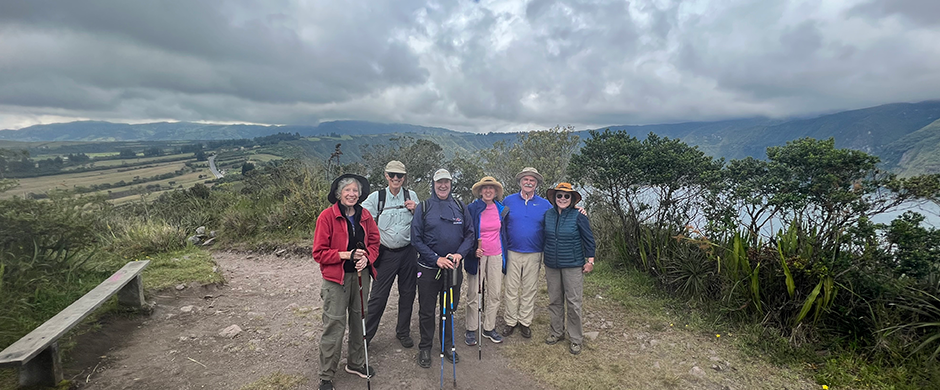
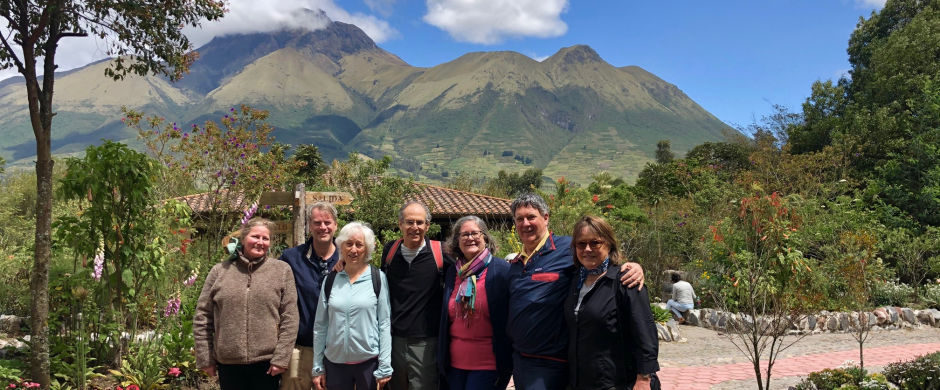
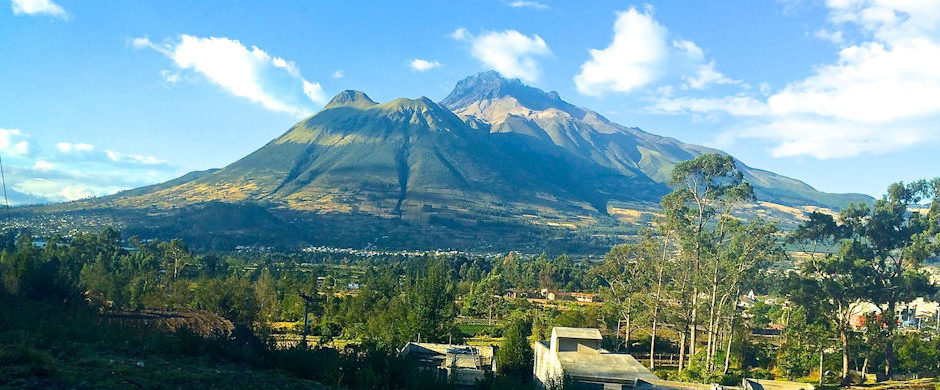
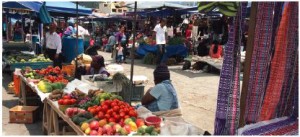
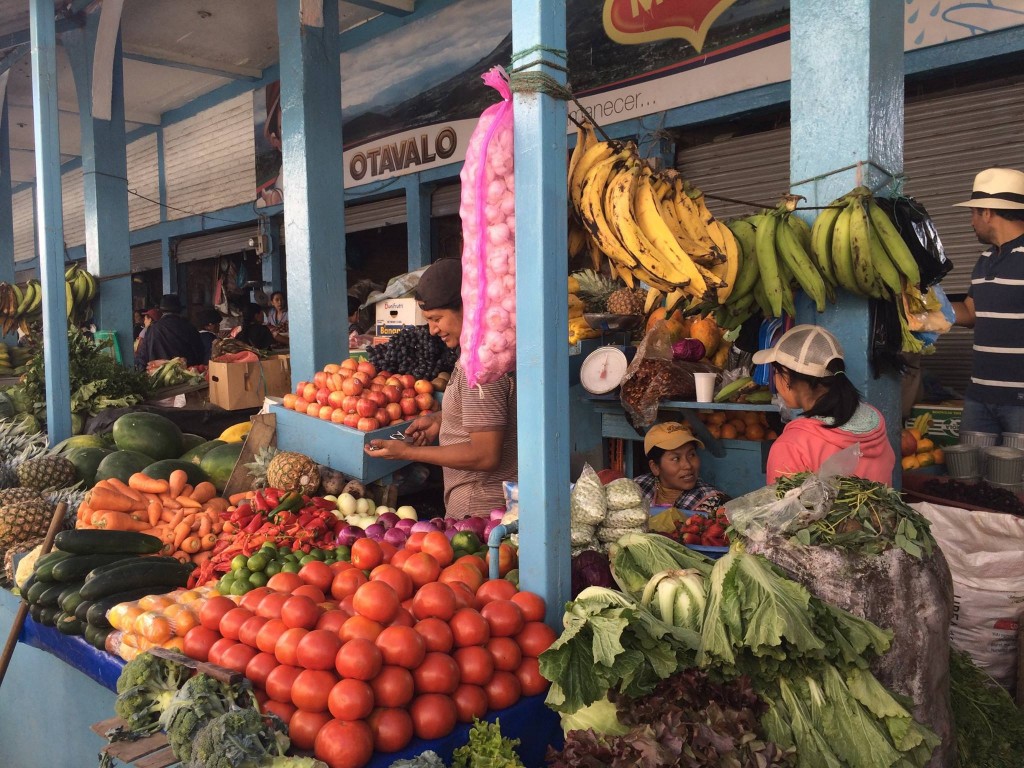
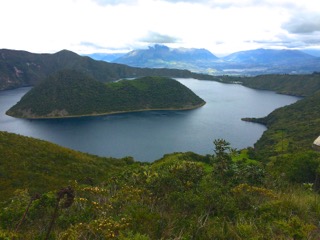
 the Otavalo Market. We find expansive views of Cotacachi, Mojanda and Imbabura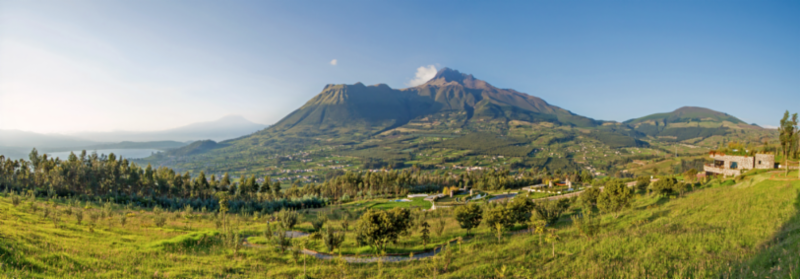
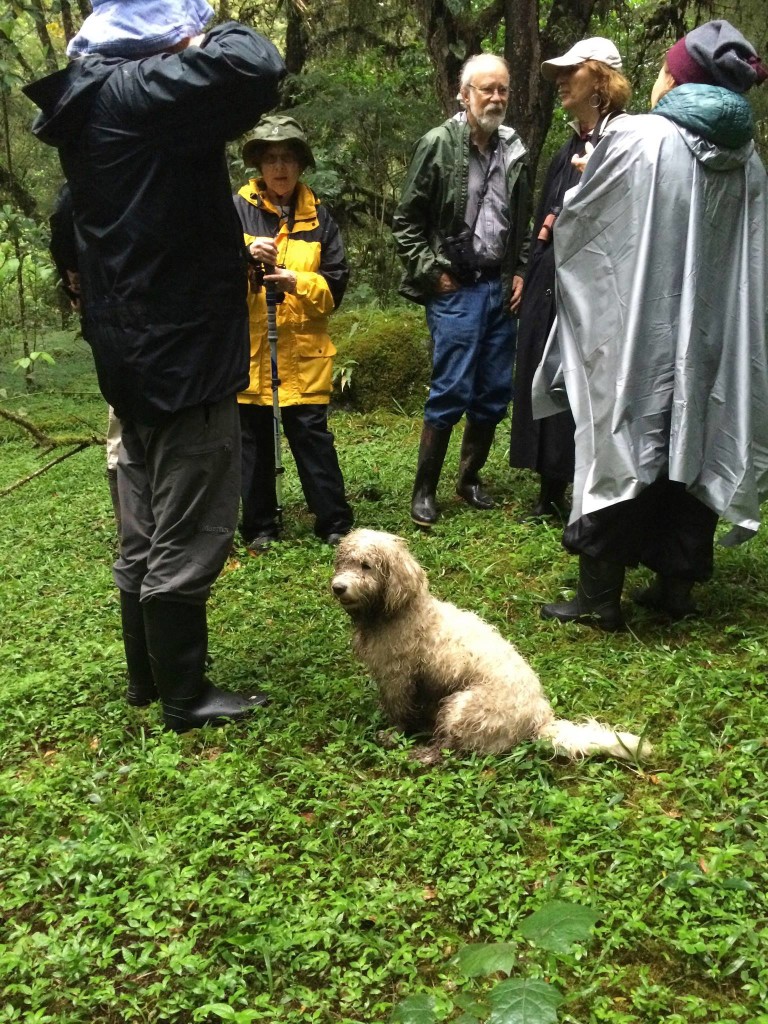
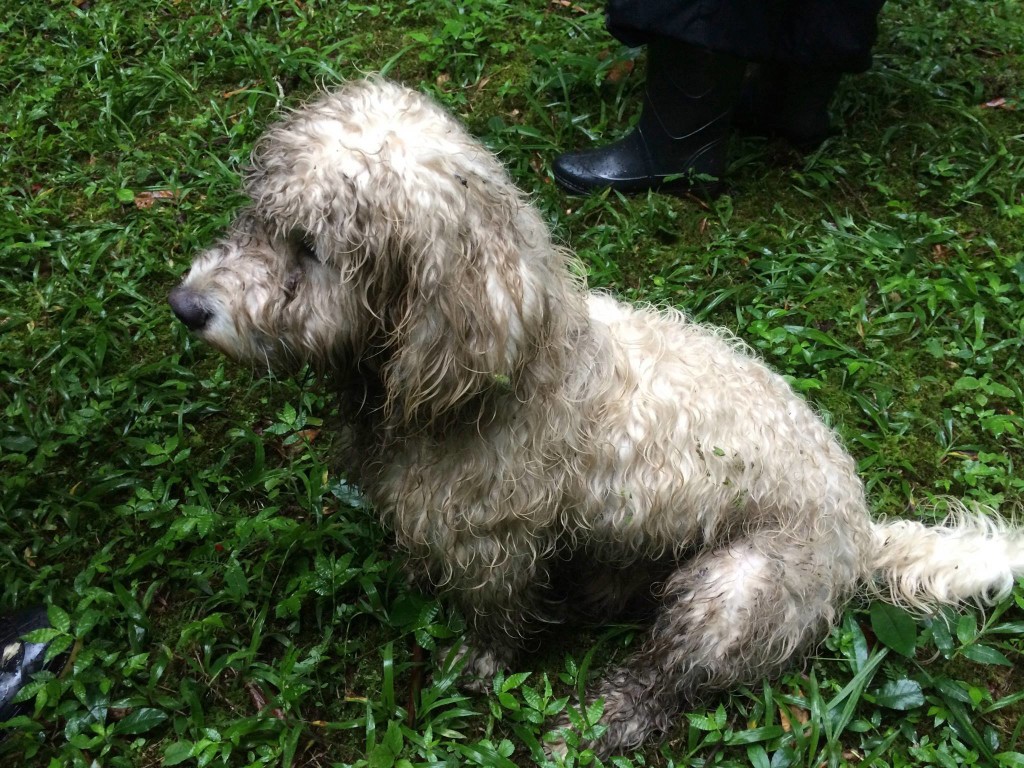
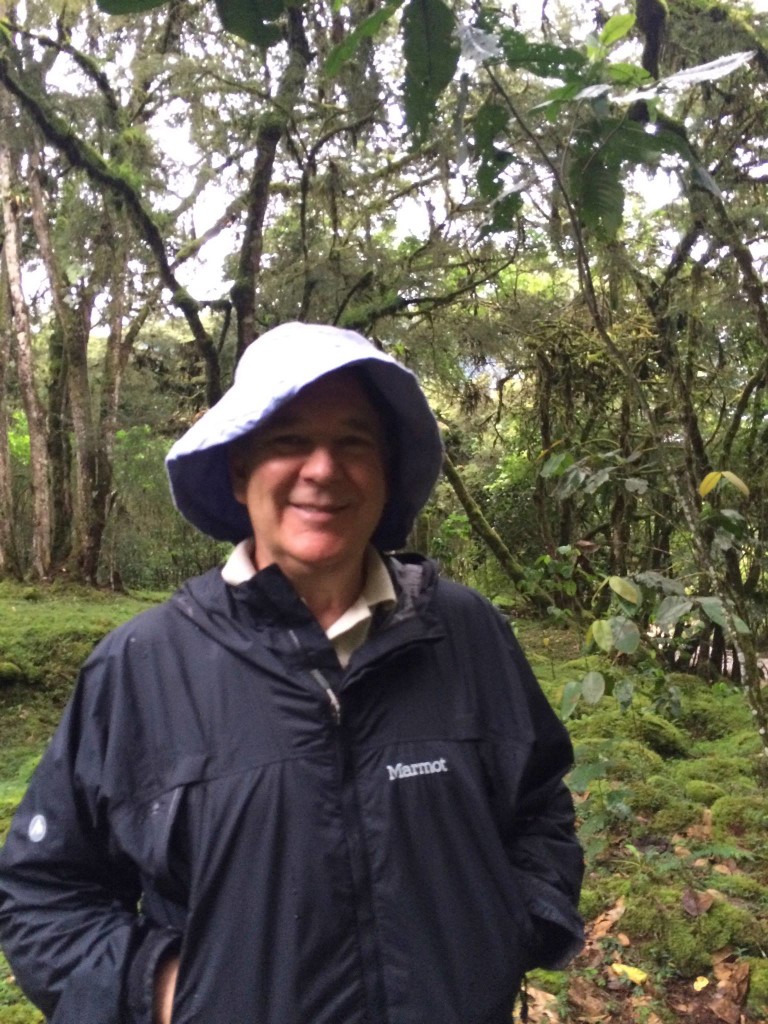
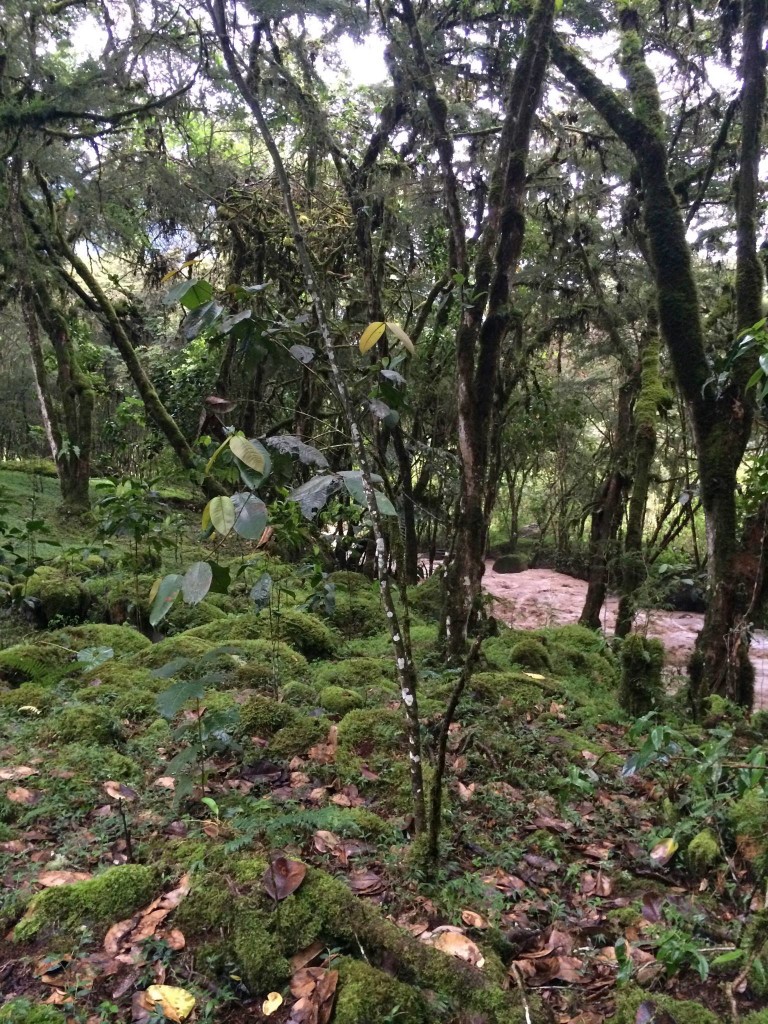
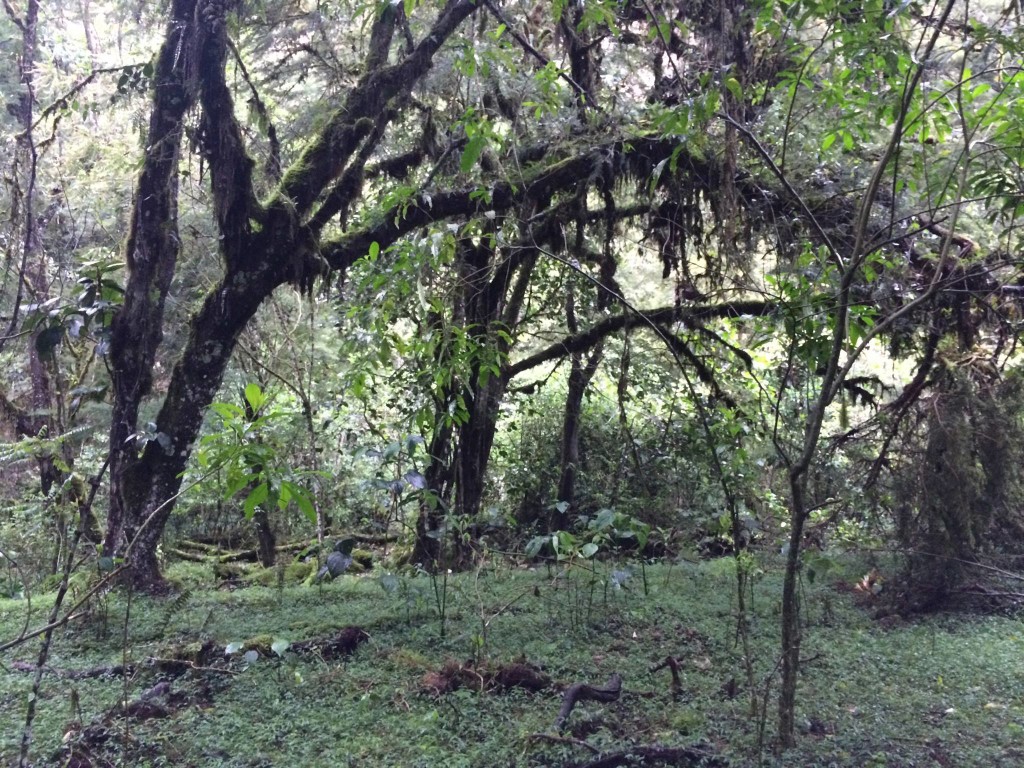
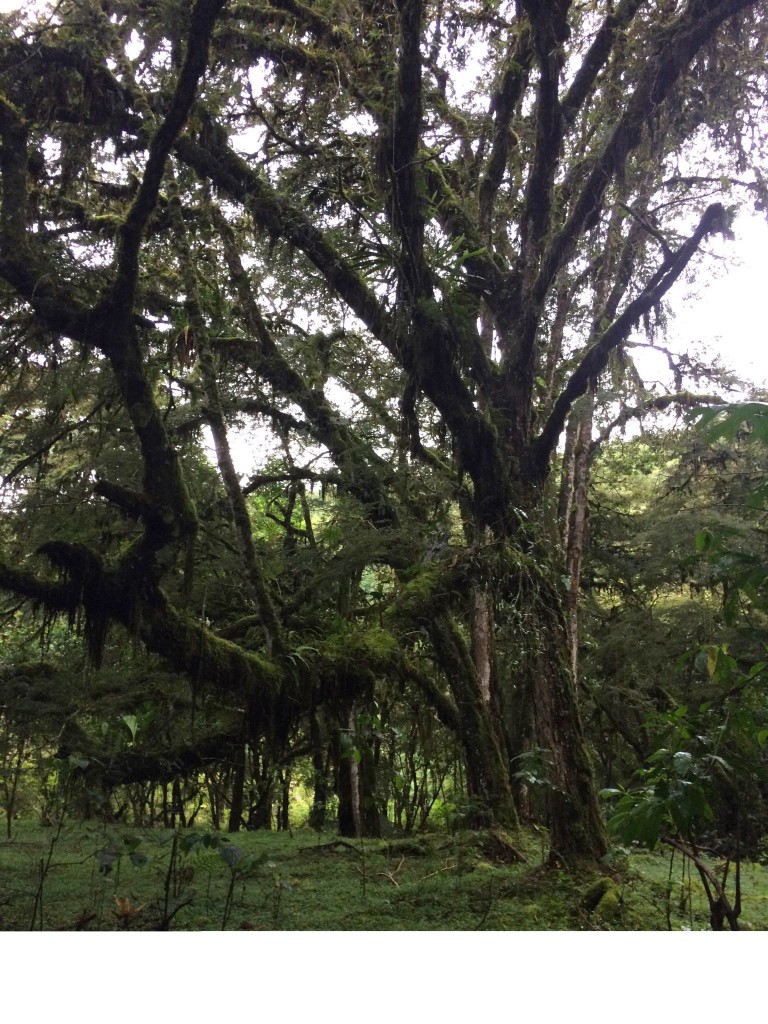
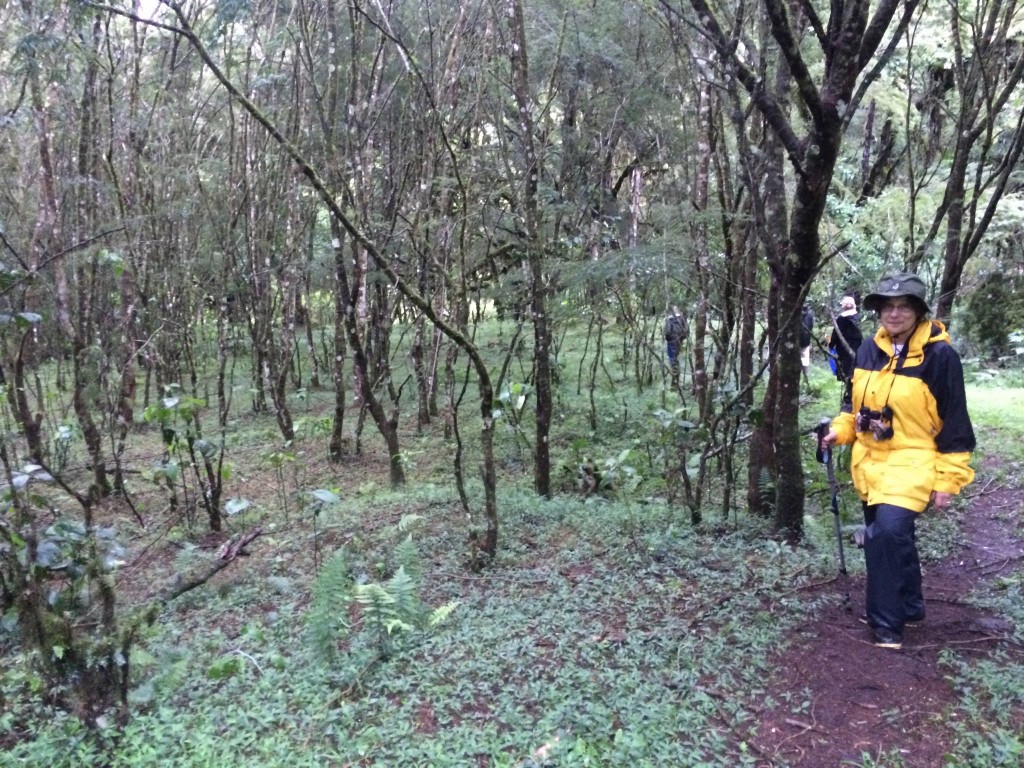
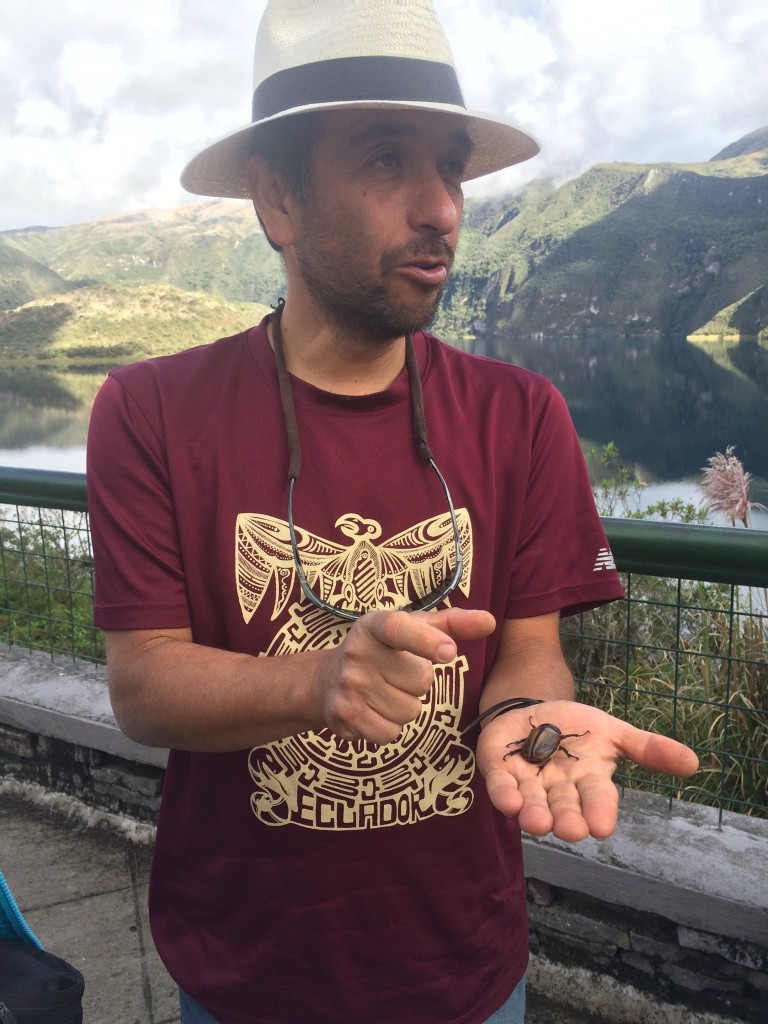
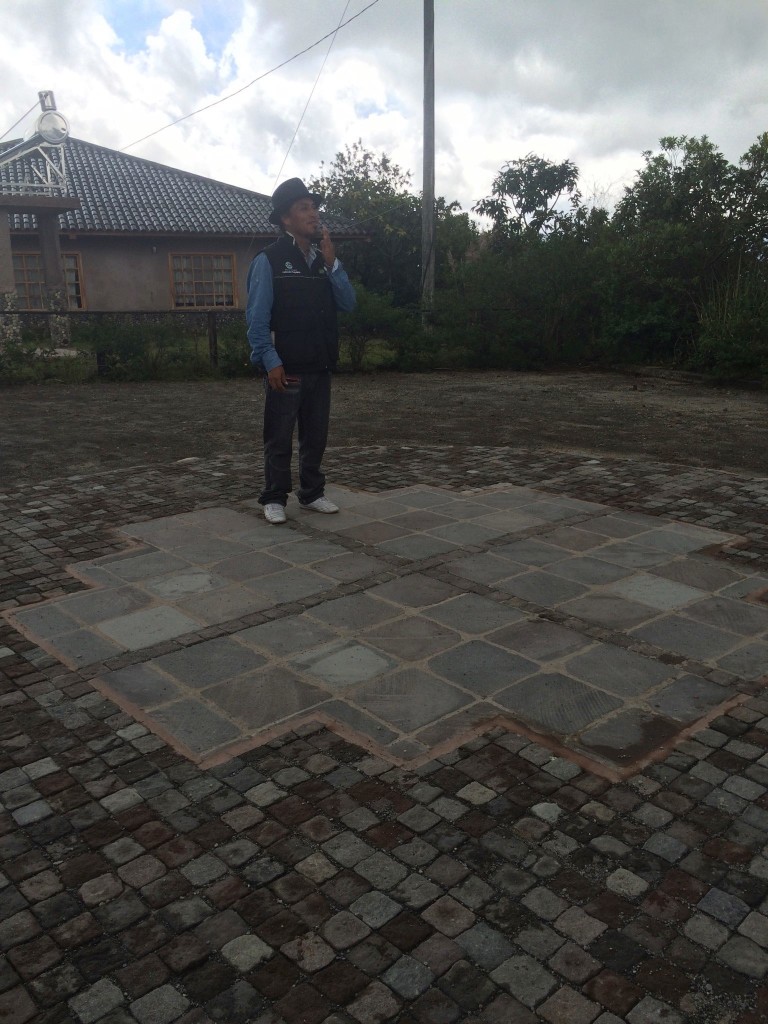
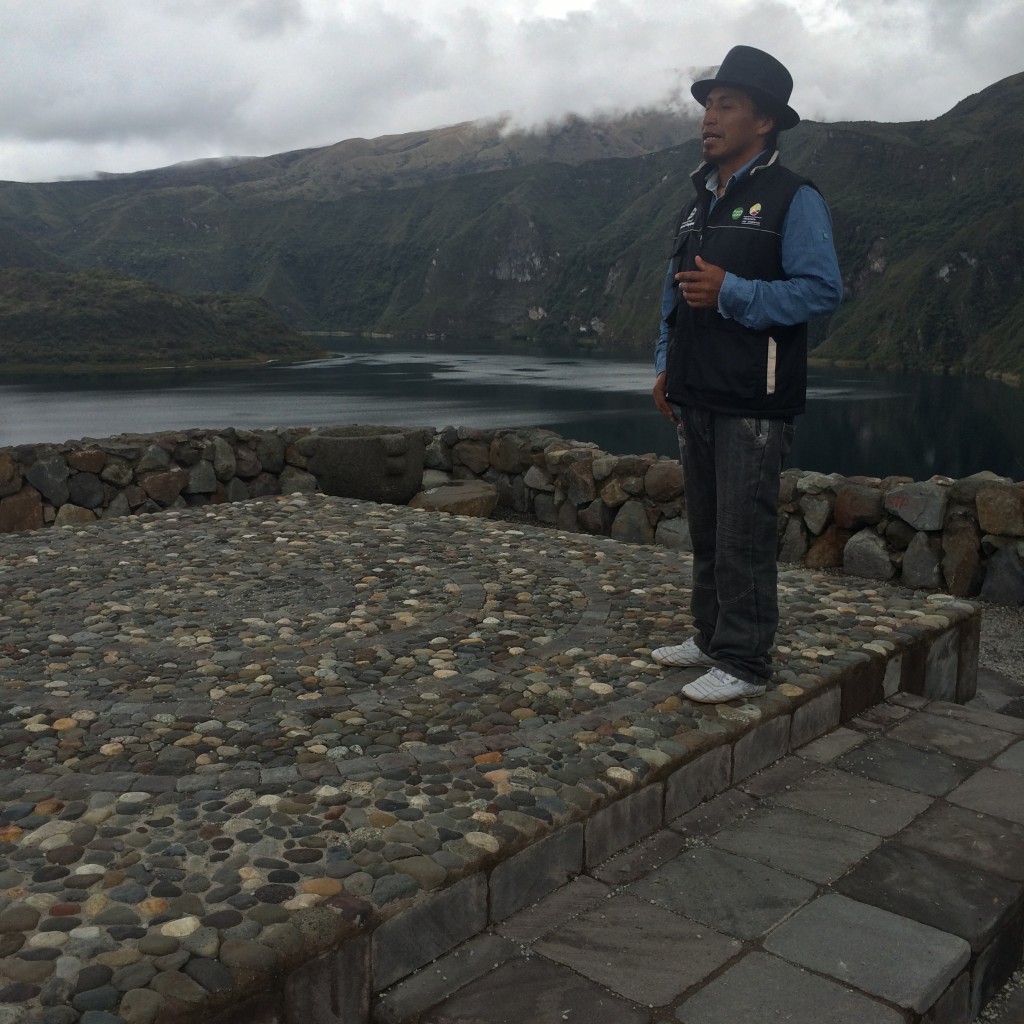
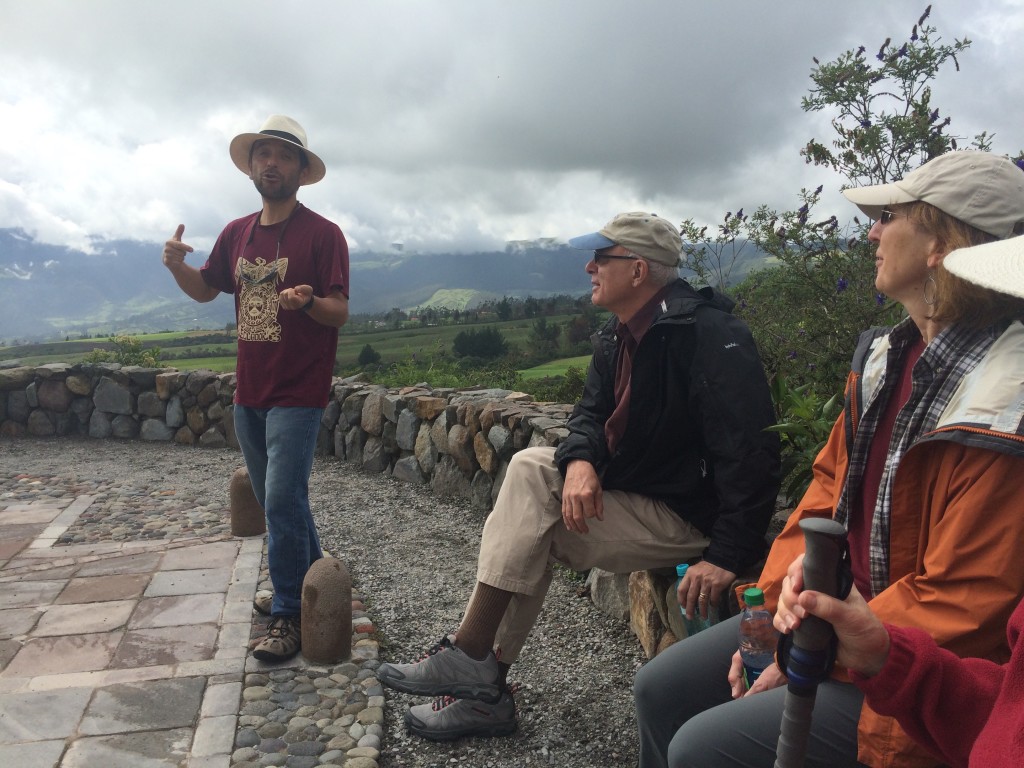
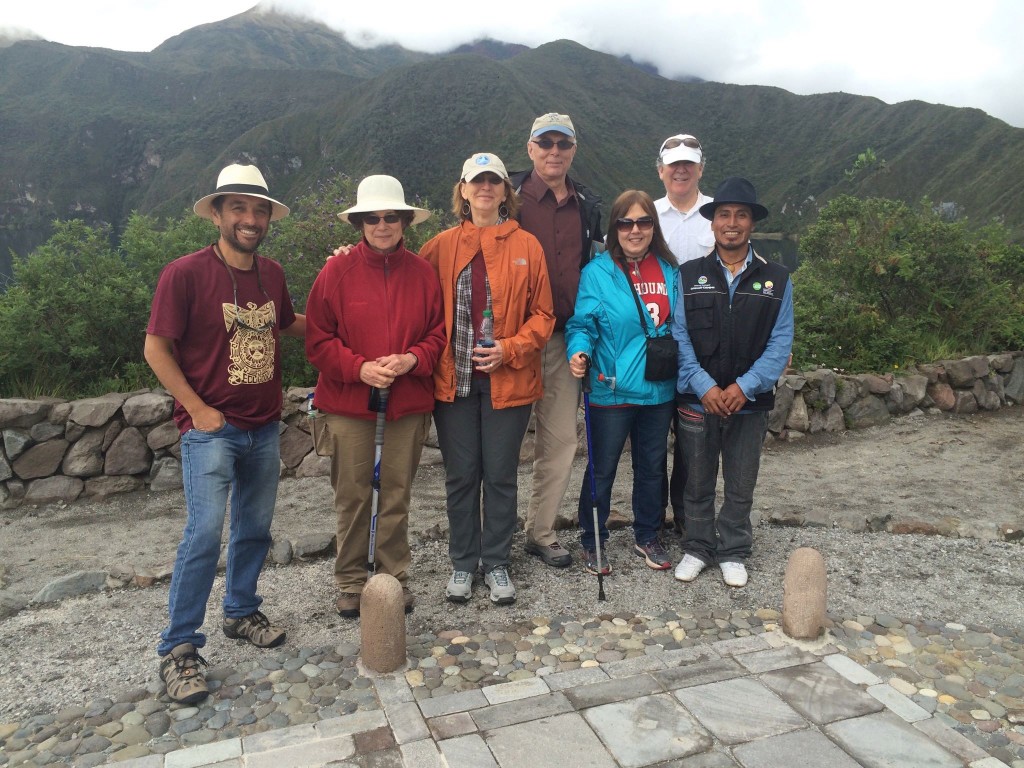
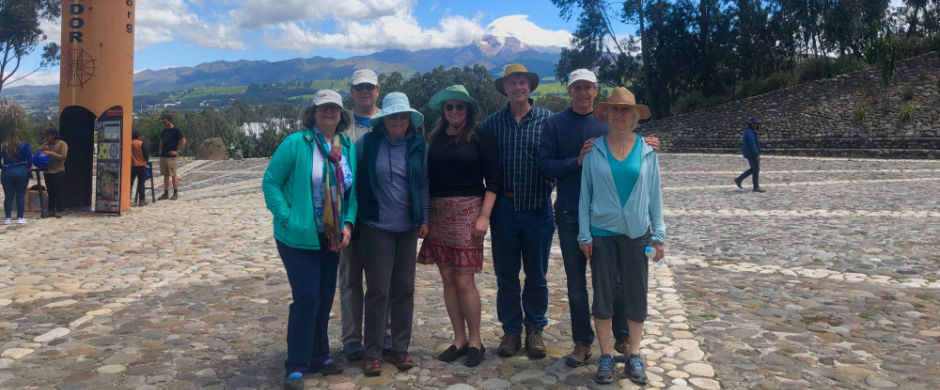
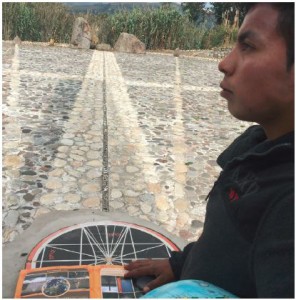
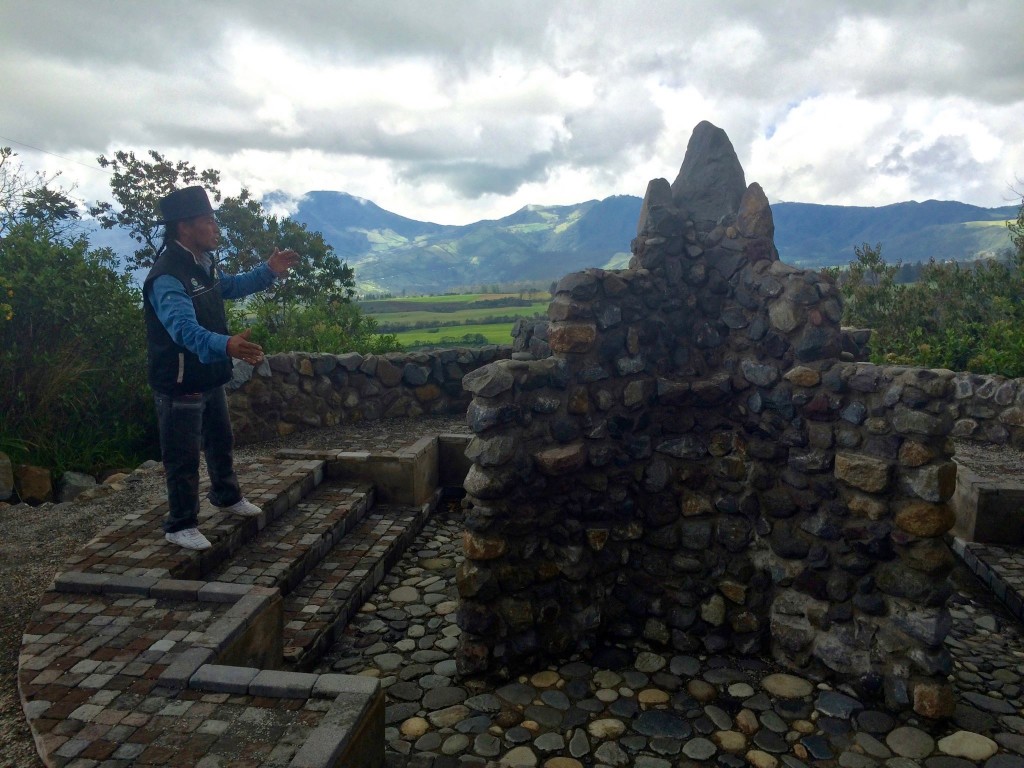 Antonio recalls the traditions of sharing food and property between households; offering these in sacrifice to achieve abundance….here on the square monument embedded with a spiral pattern in contrasting stones.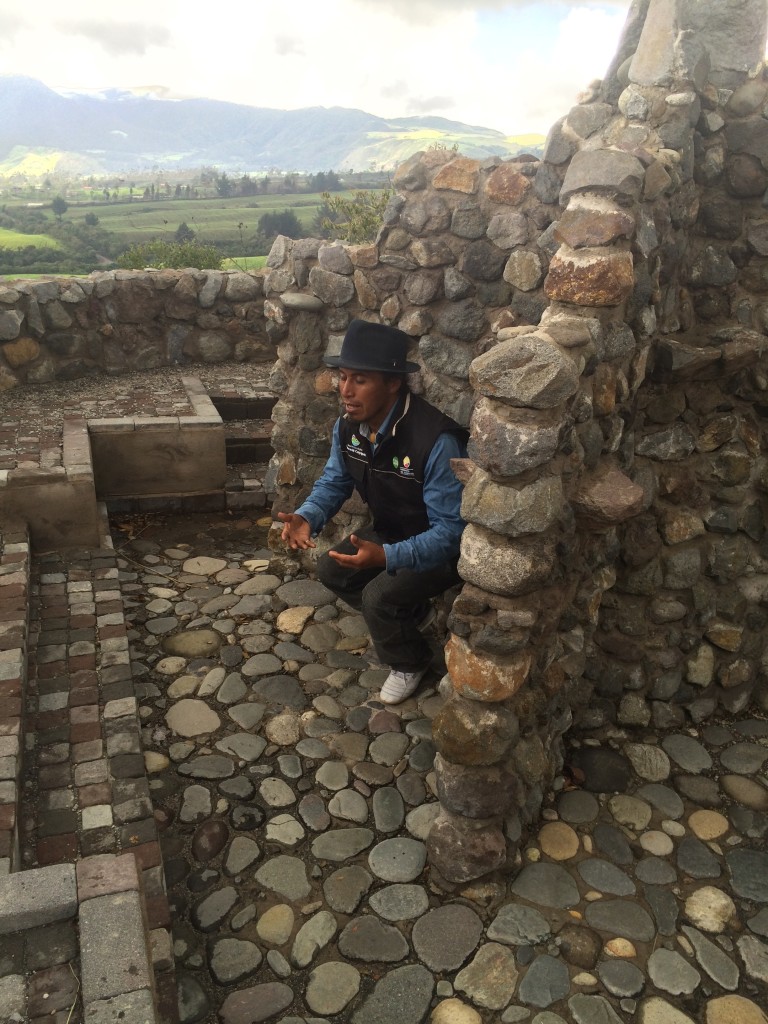
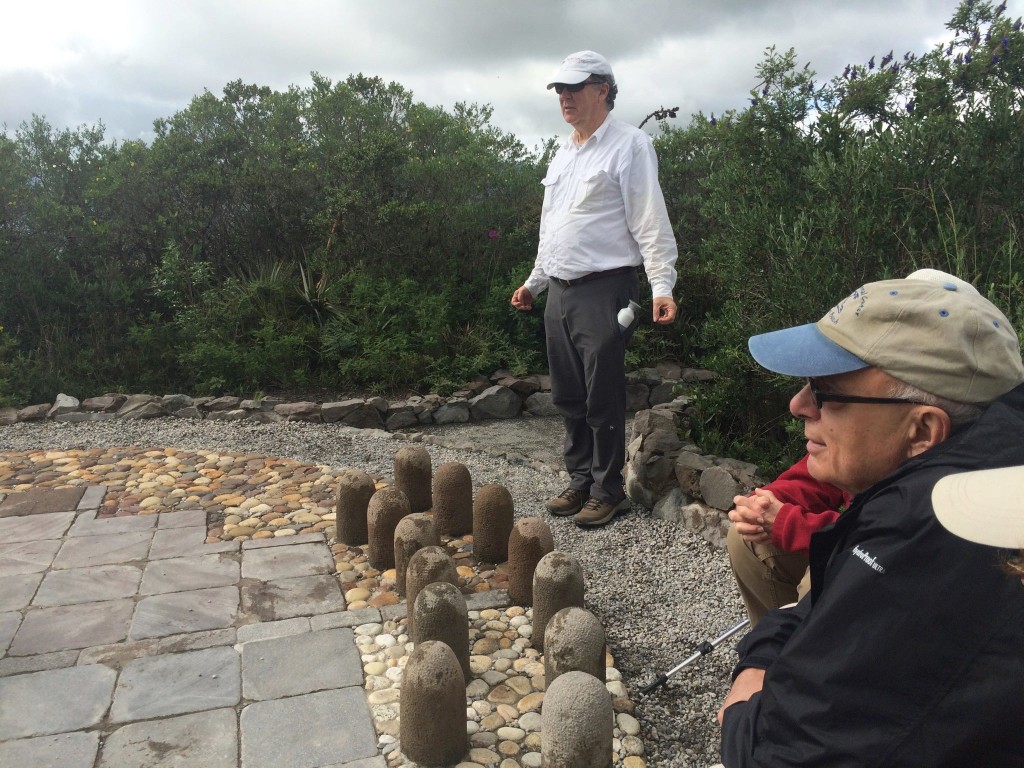
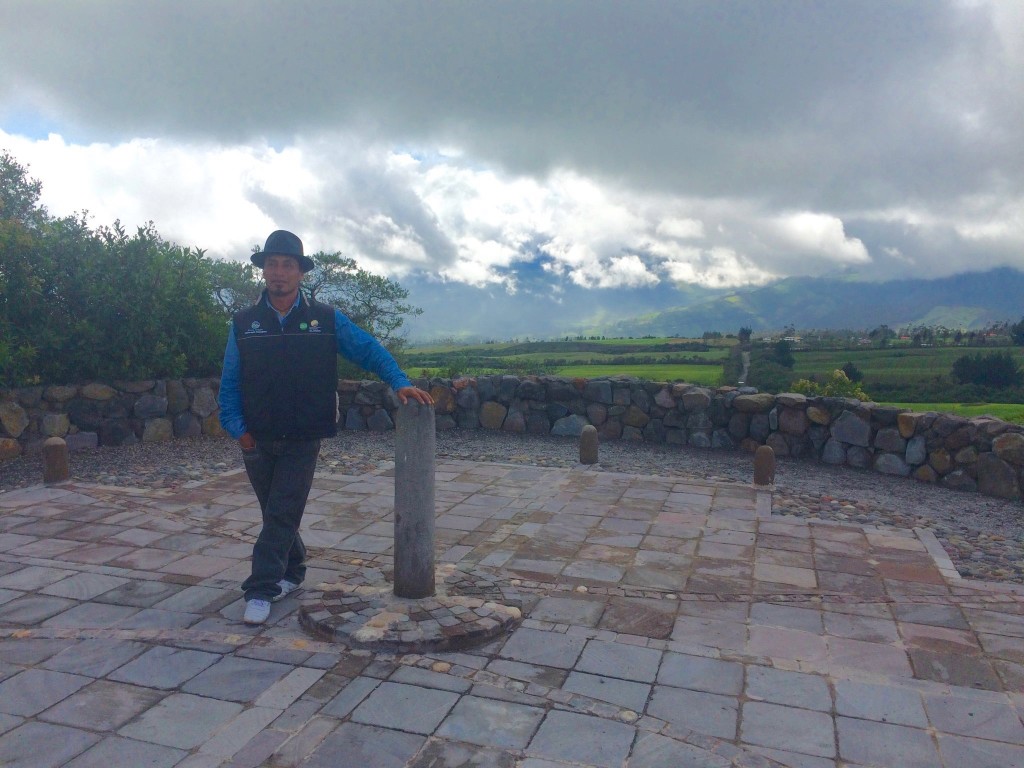
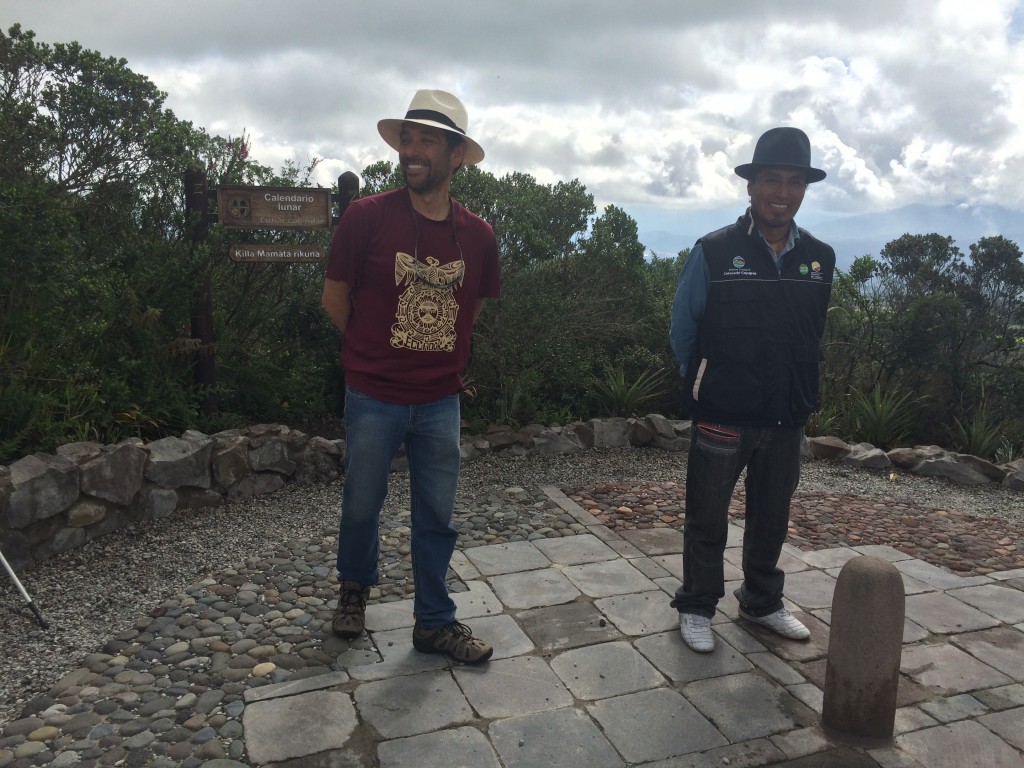
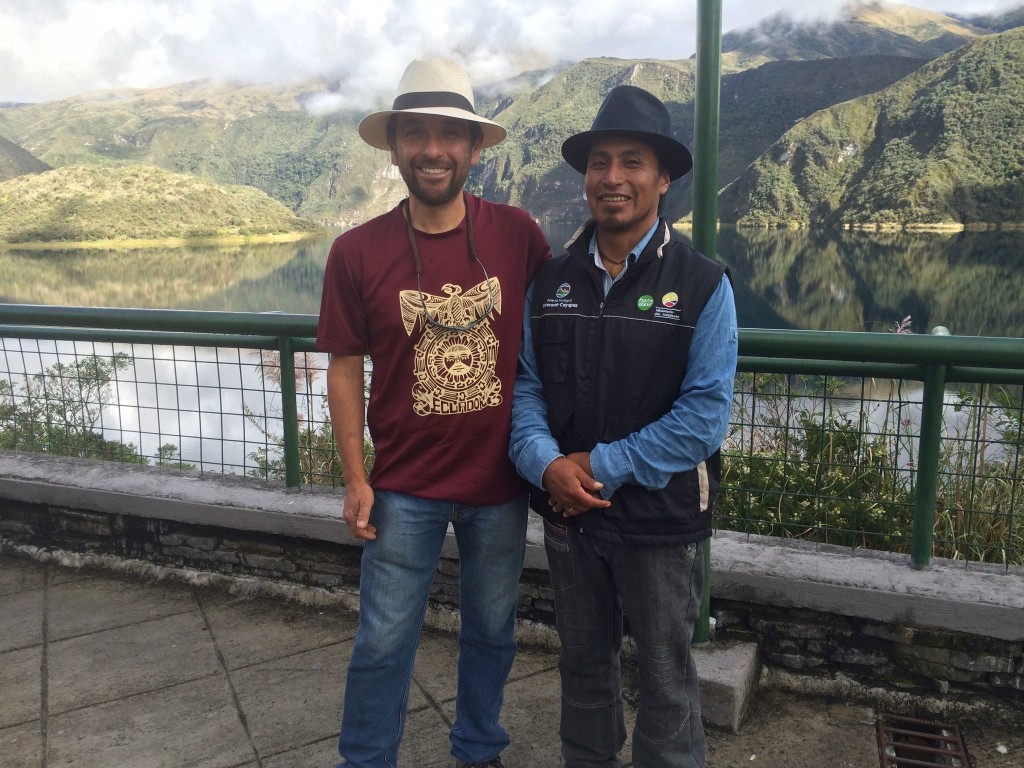
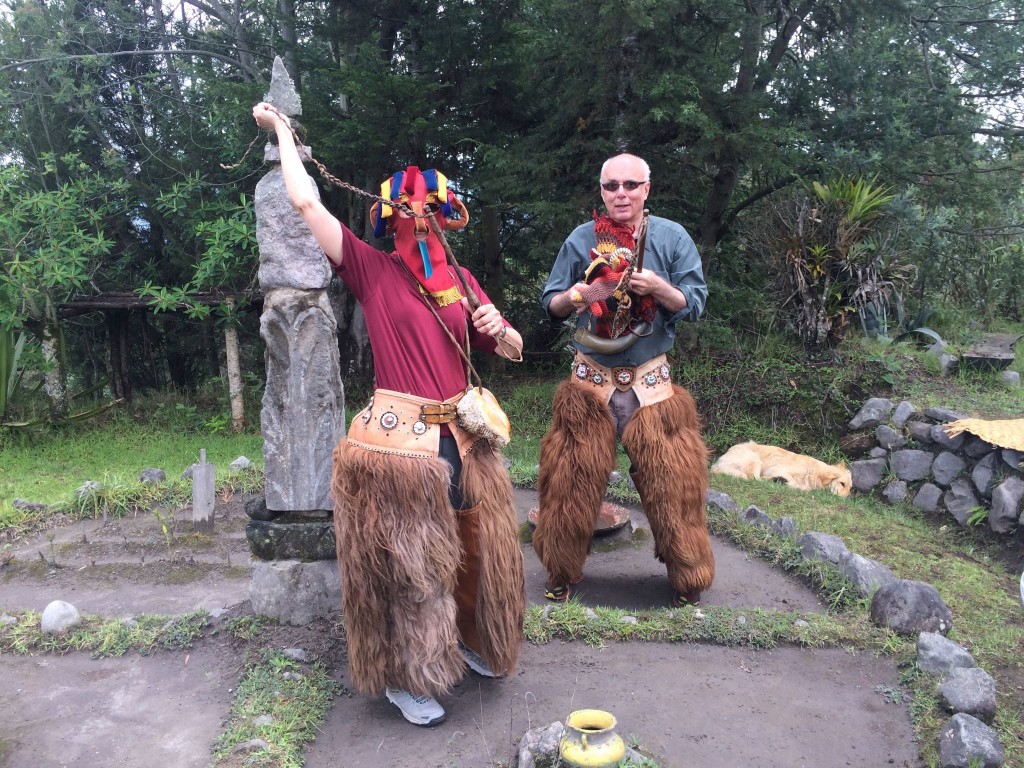
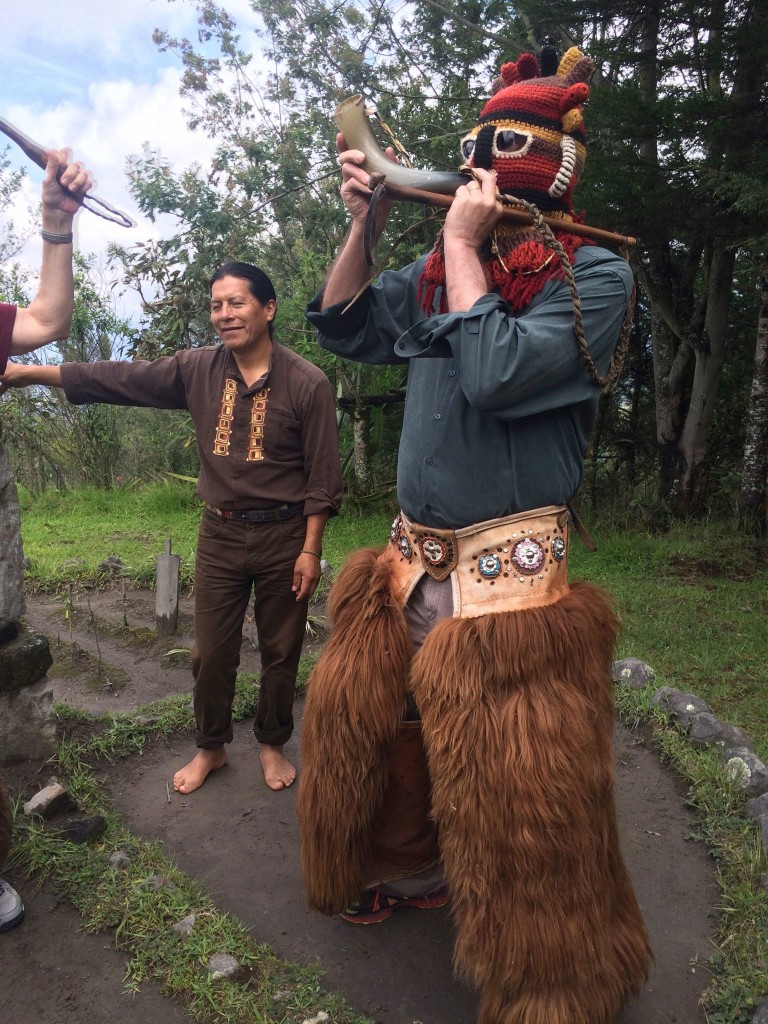
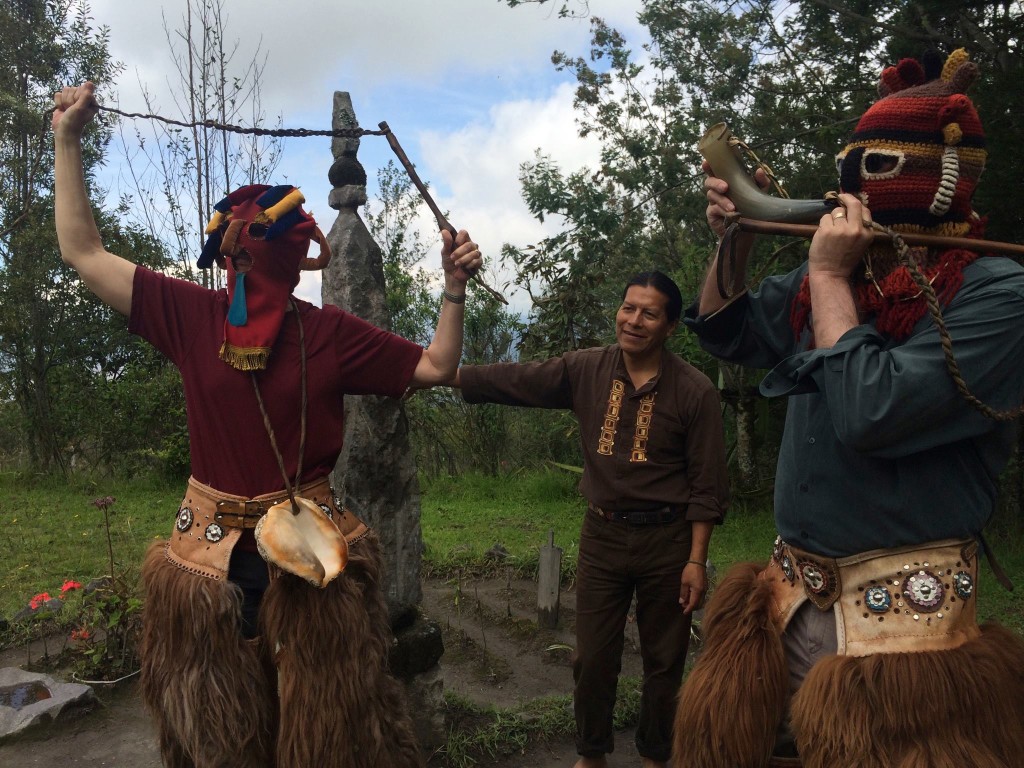
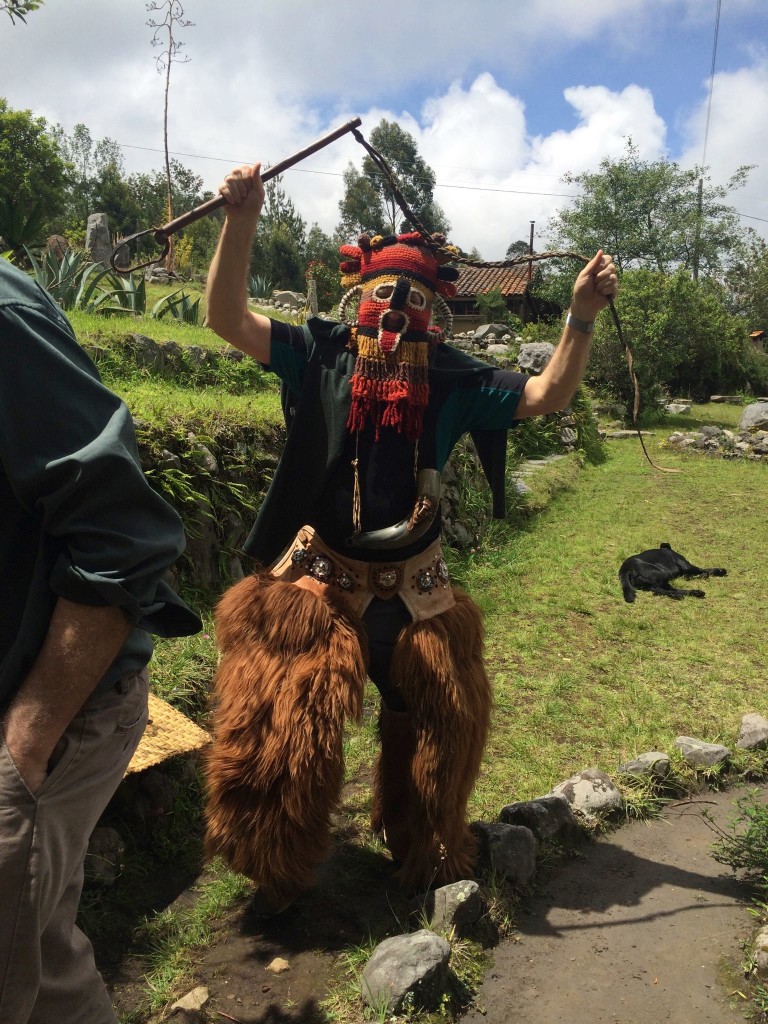
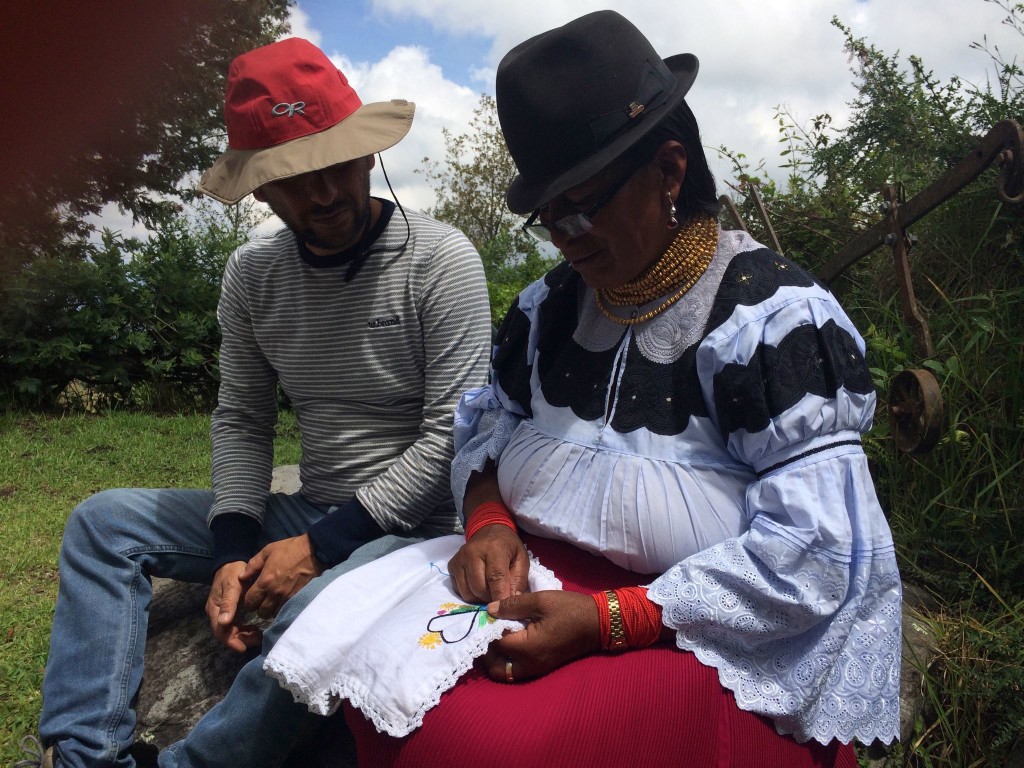
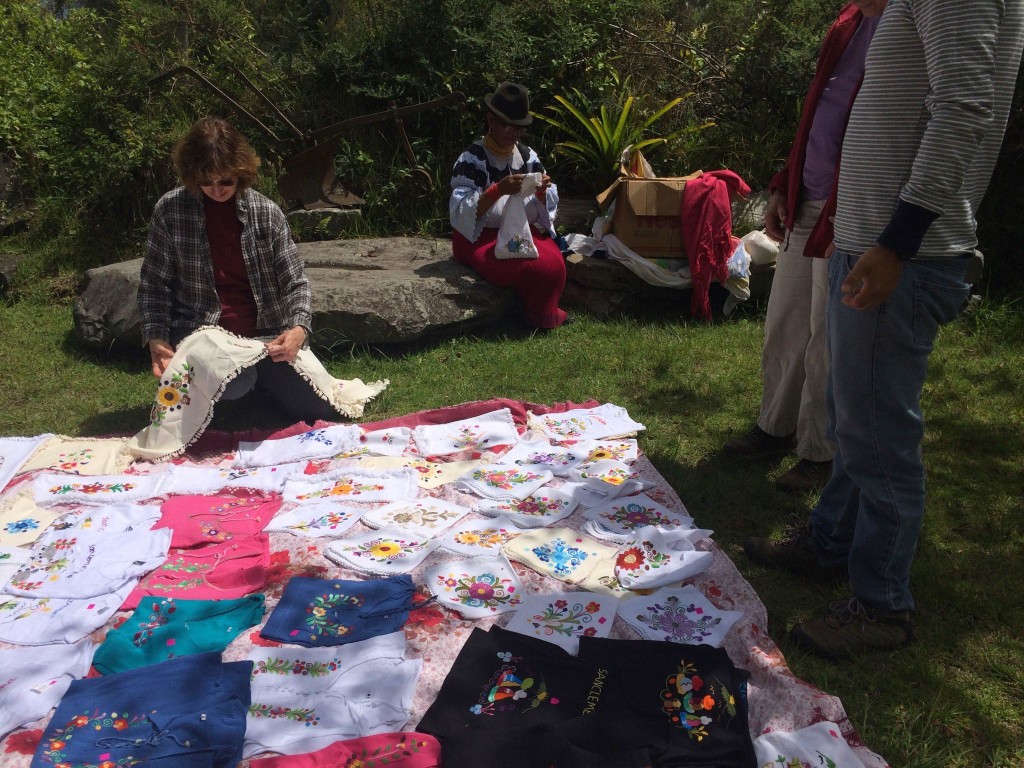
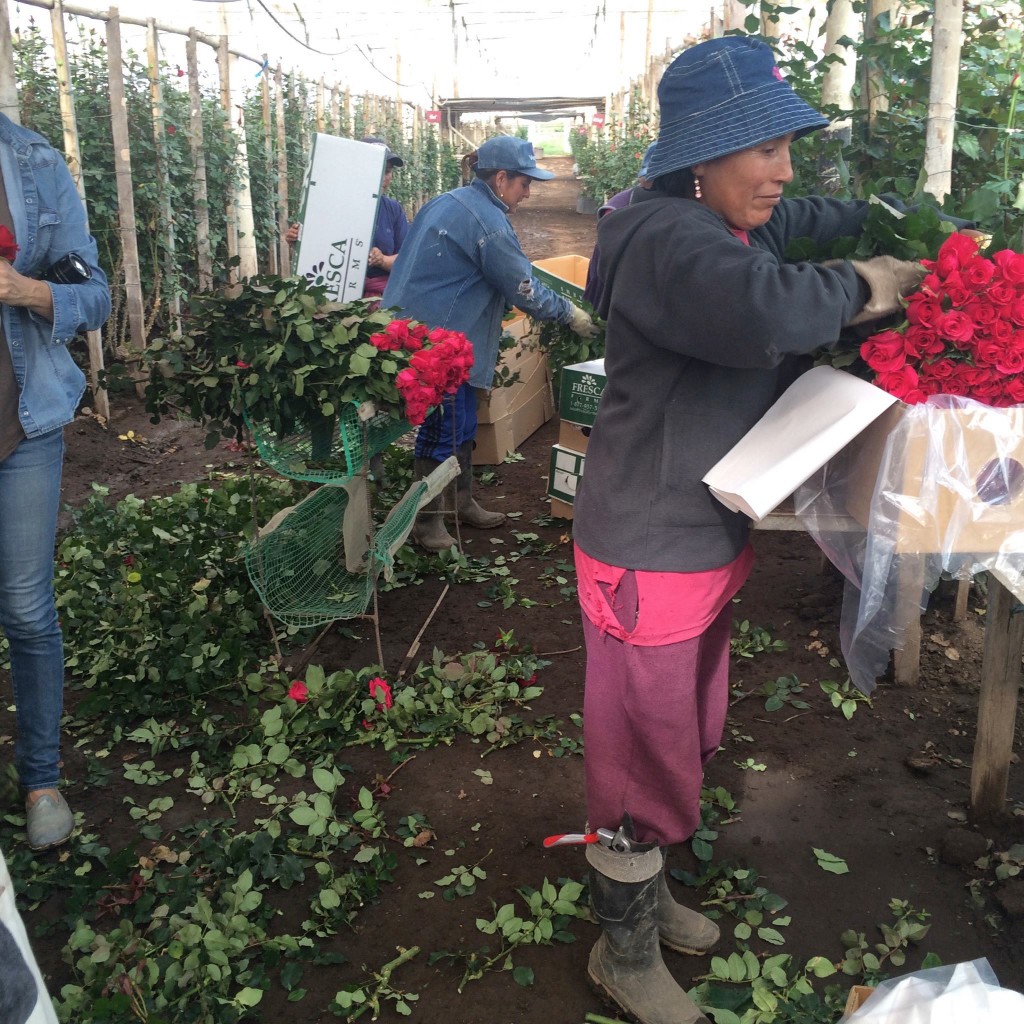





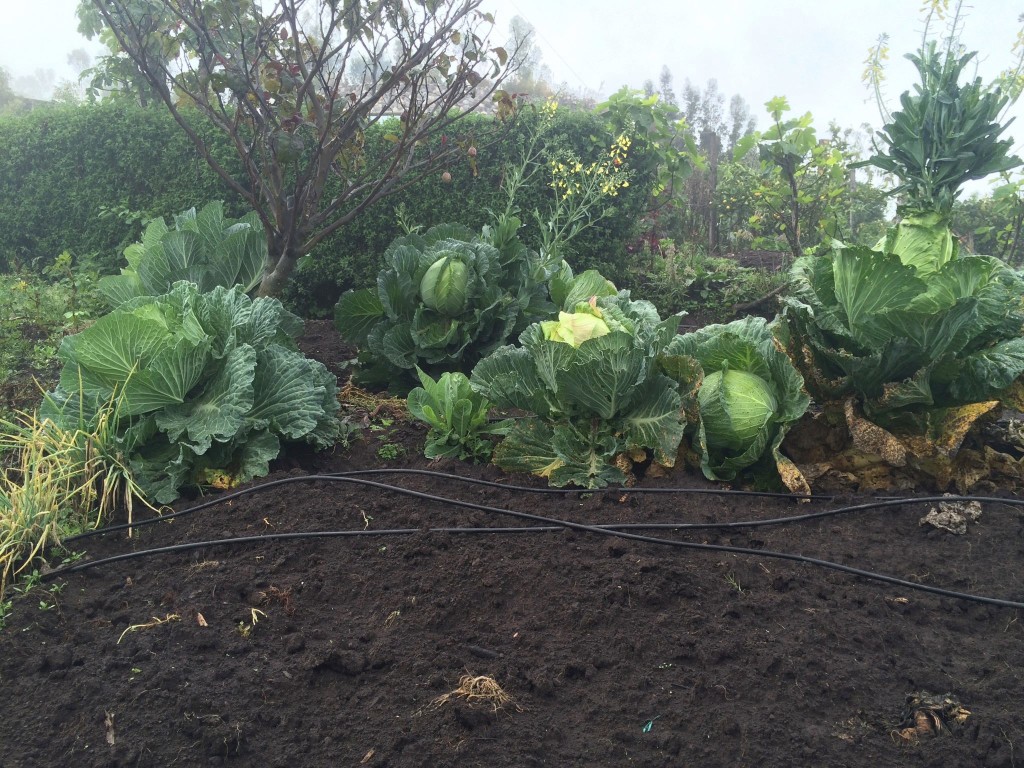
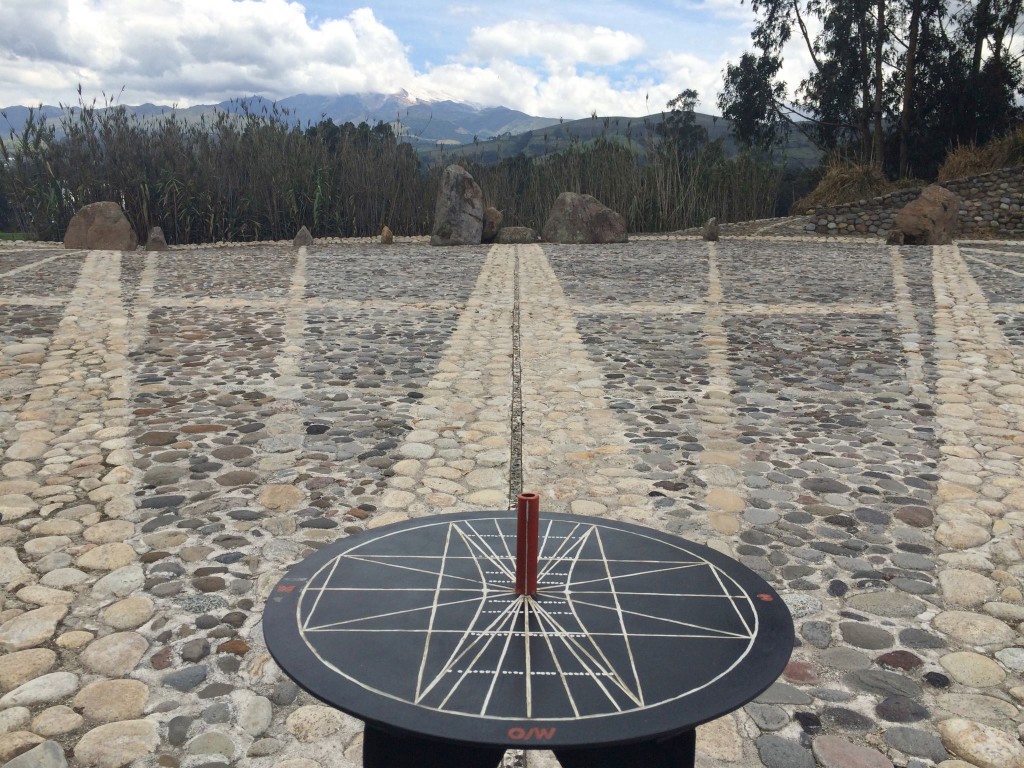
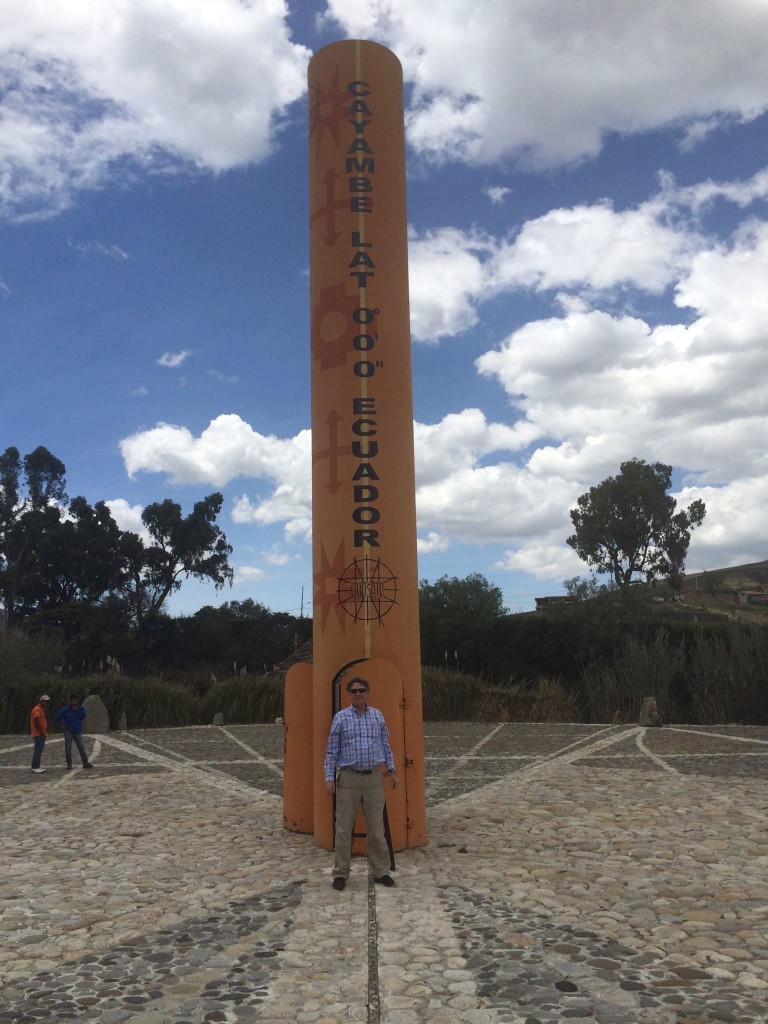
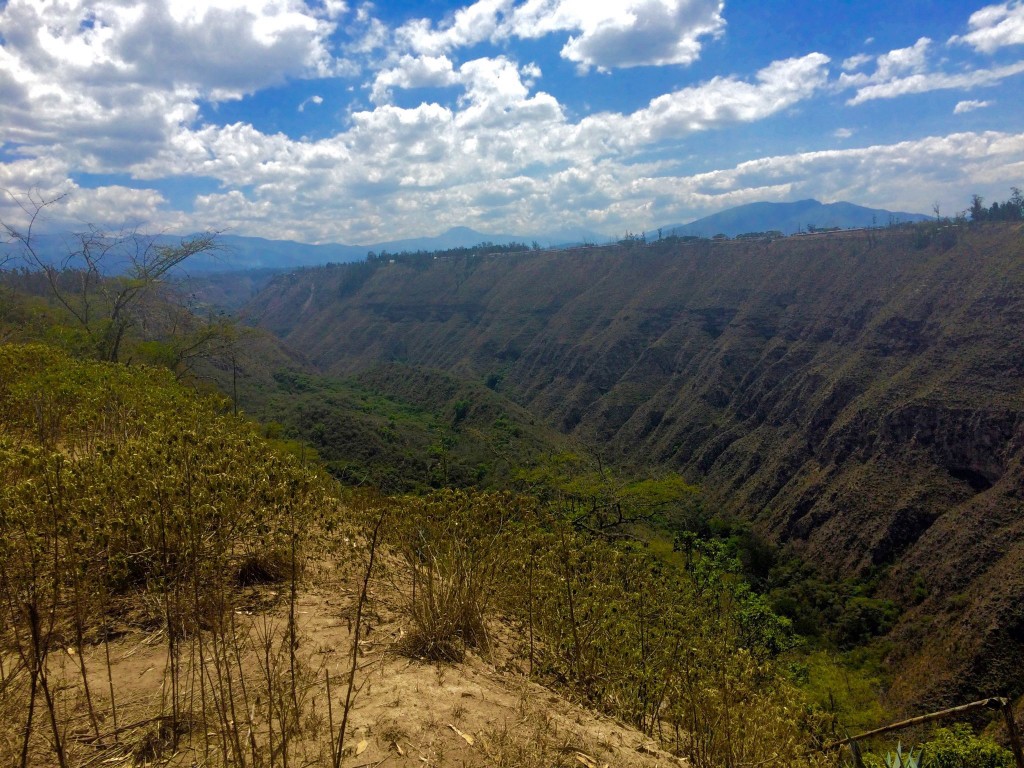
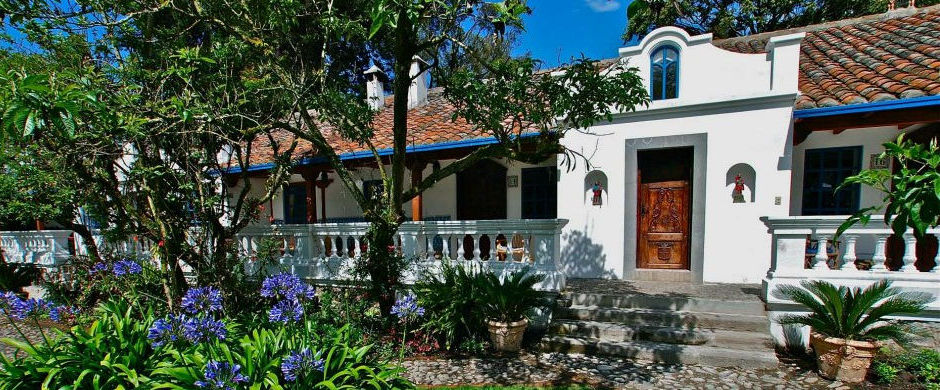
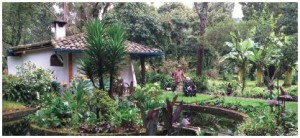
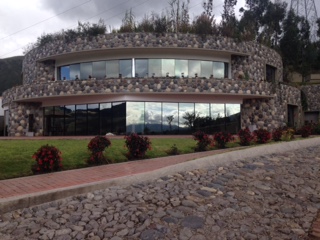
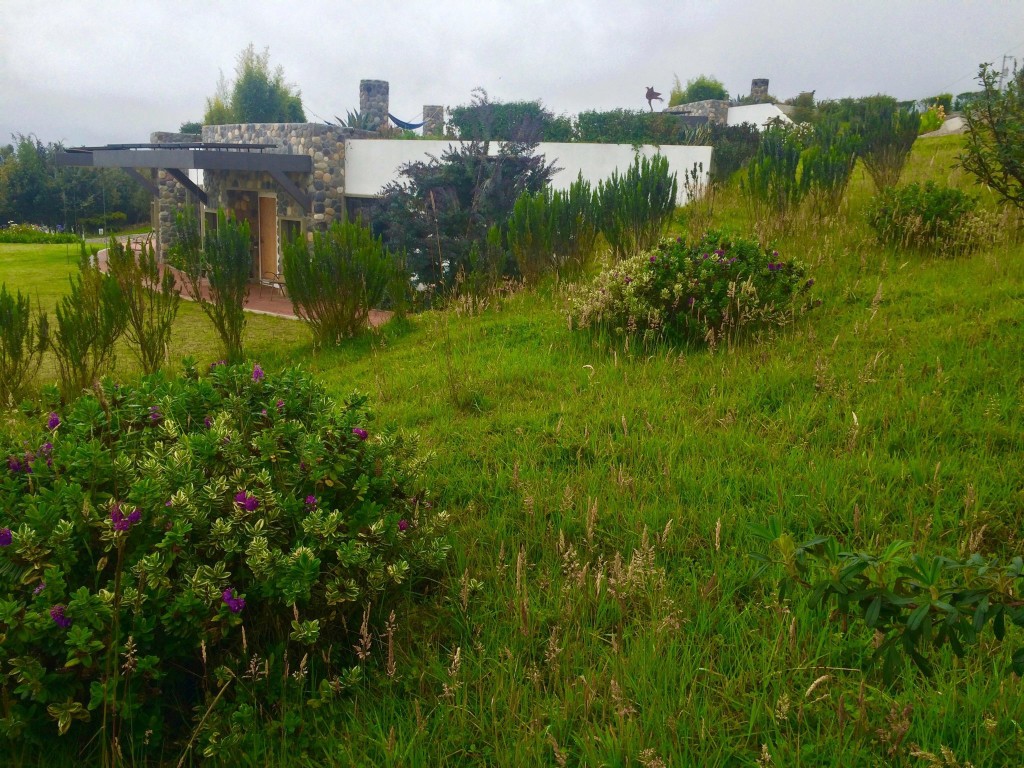 – a quiet surprise in the valley of Imbarura overlooking San Pablo de Lago. These grounds are stripped of invasive plants – and the result is just beautiful. Such a pleasure to visit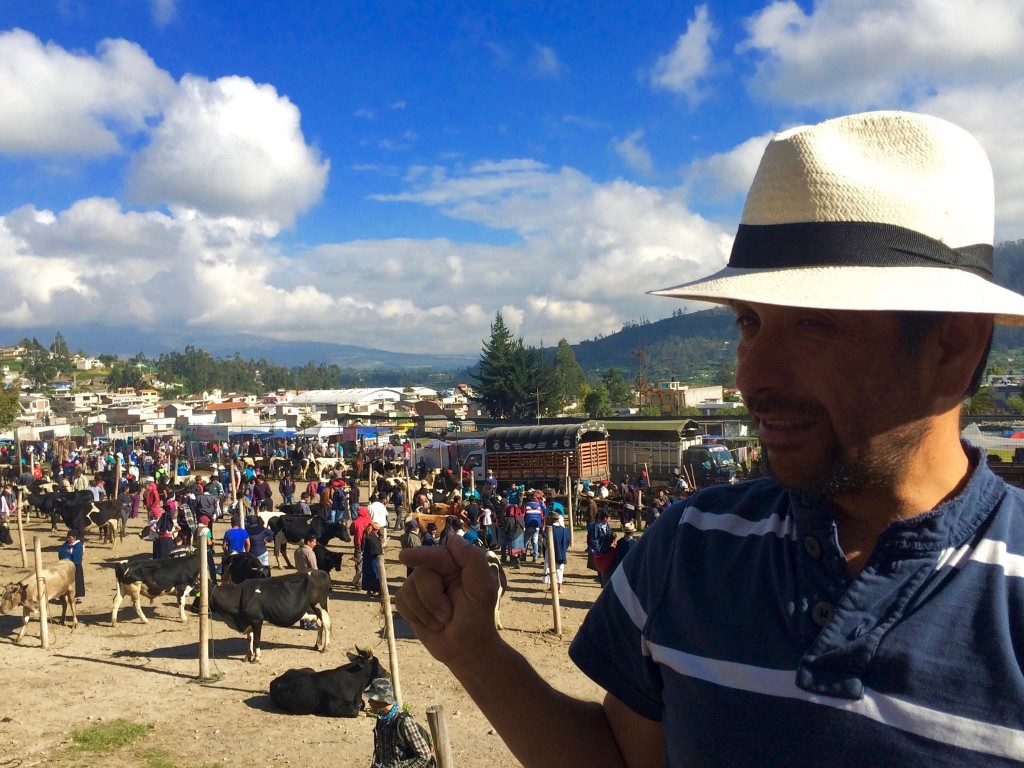

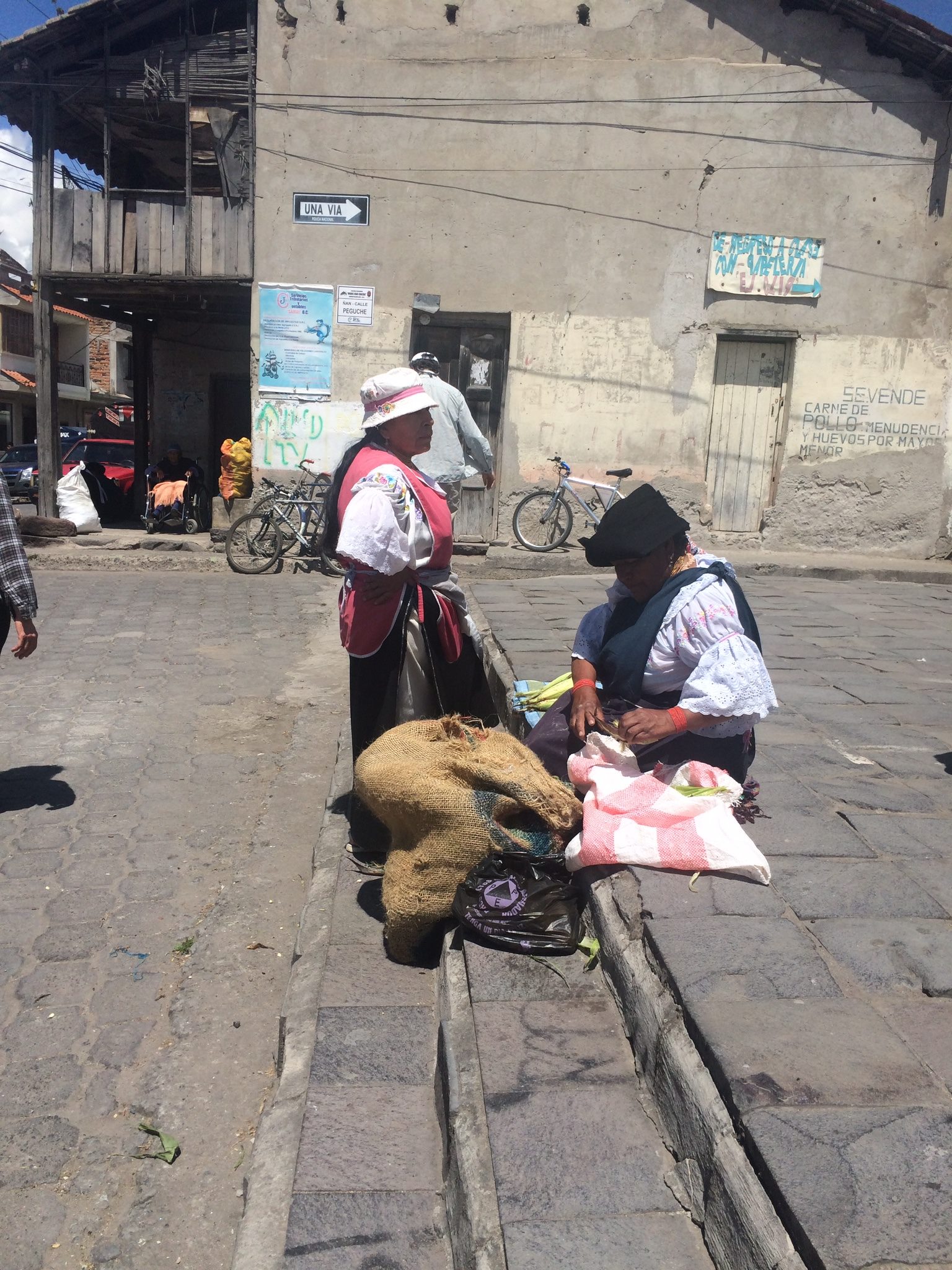
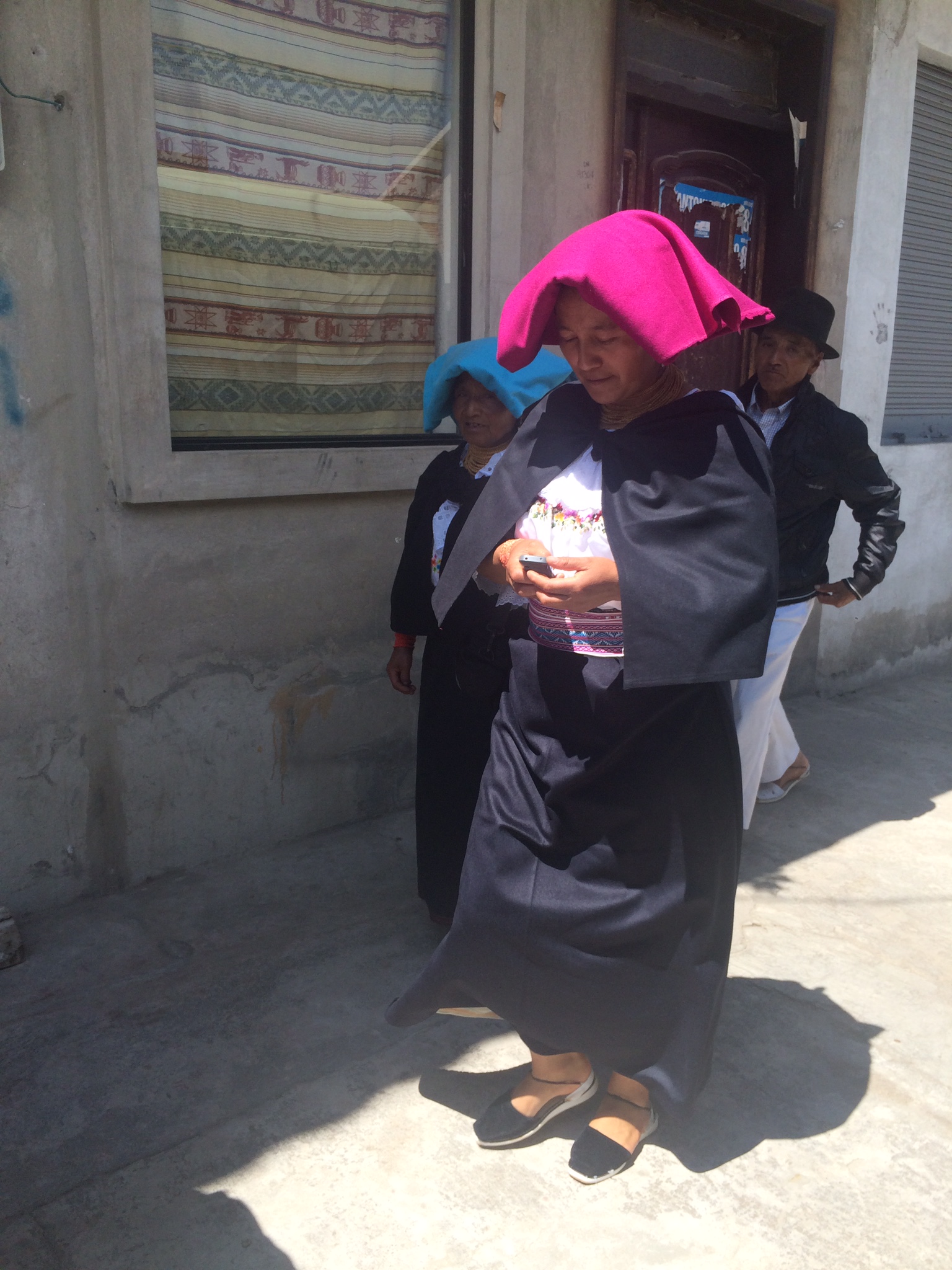
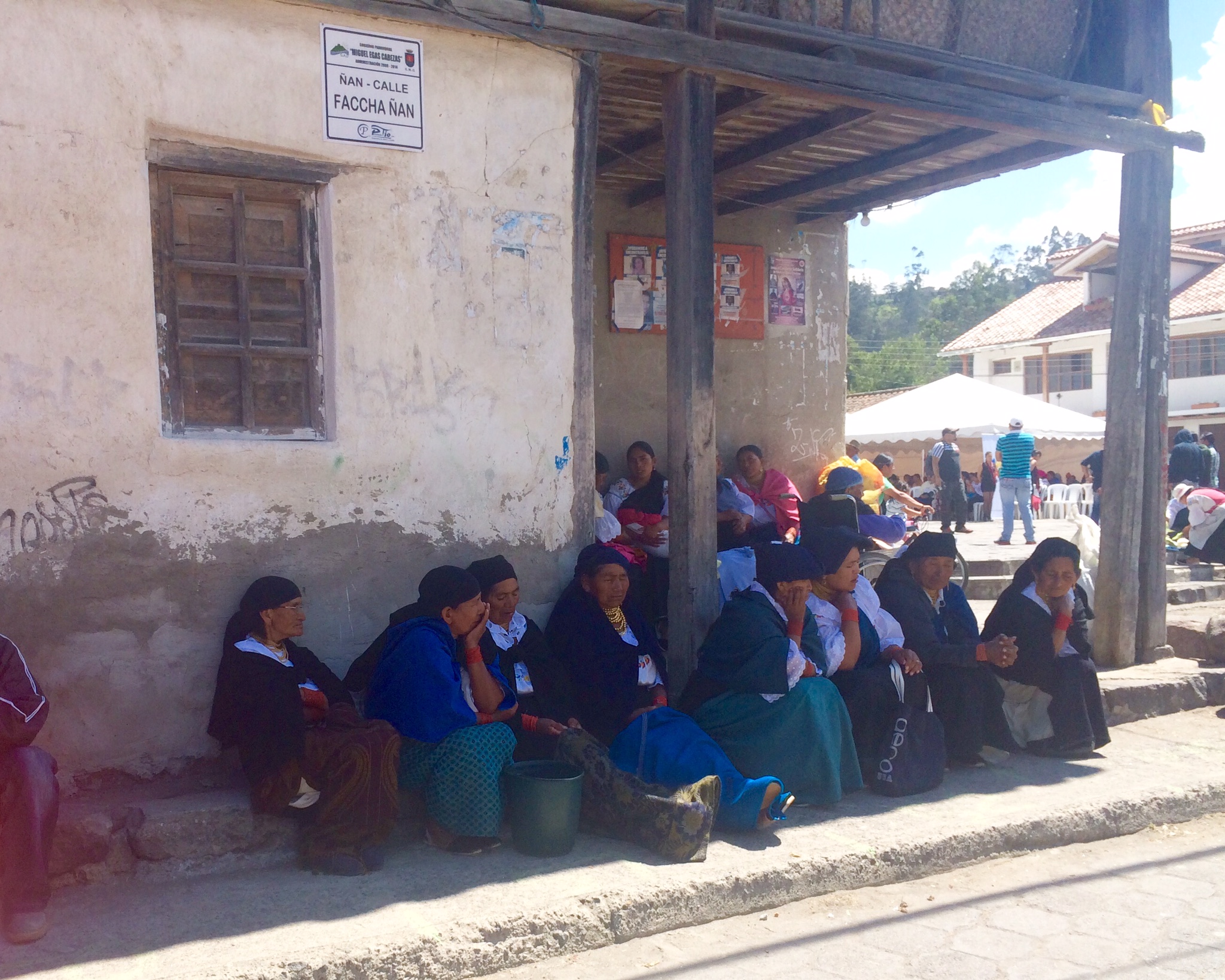
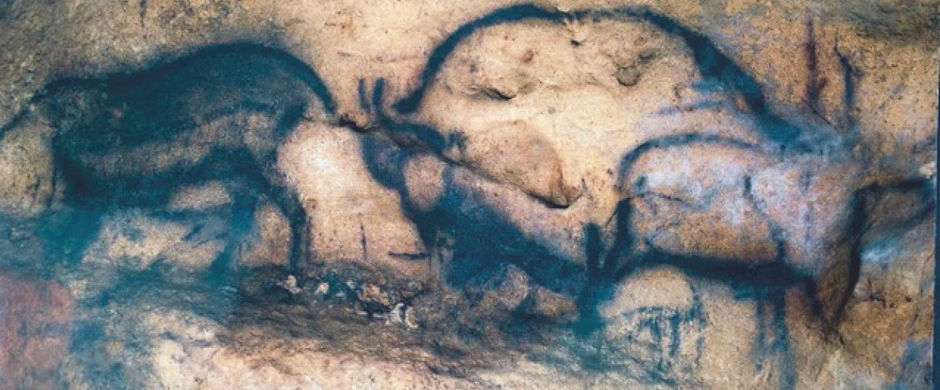
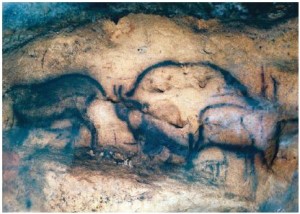
 This morning, we leave Les Eyzies and drive through the Vazere, a part of the Dordogne valley that is carefully protected from development for having the longest uninterrupted history of mankind in Europe. We weave along beautiful roadways in forested woods with picturesque villages and small farms along the river. First Stop: a Neanderthal archaeological site that is right beside some of these caves we have visited (where Cromagnons – who are homo sapiens – who are us – made all the exceptional carvings and drawings). Neanderthals were nomads who came here to stay for a couple of months at a time. They did not make paintings, but they shared many of the tools used by Cro-Magnon man. For some reason, they disappeared about 30,000 years ago…. There is a fence that marks the walls of Le Moustier, a Neanderthal site 30,000 years old discovered by the Swiss. Christine explains the two types of 2 legged beings would have had “interchangeable tool kits”. And there are no piles of bones indicating war or clashes between species.
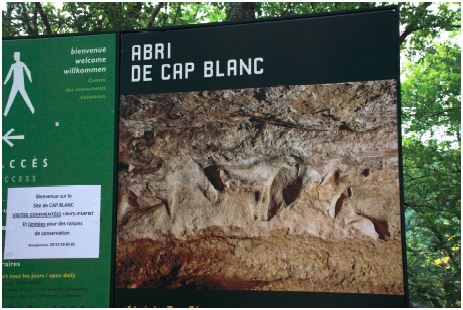 Second Stop: Cap Blanc is an outdoor frieze. The relief of horses carved under a natural outdoor rock shelter. People came here for thousands of years to stop under the open air sanctuary, under the overhanging ledge. At first they were nomads; later there are signs of burials here. It is not known if the carvings in the rock walls have anything to do with the burials! During the last ice age, this site was completely buried under sediment and nobody knew it was here.
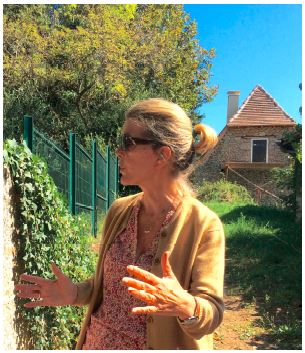 Christine Desdemaine Hugon keeps us enthralled with beautiful descriptions of what we are seeing interlaced with logical scientific views. This is her strength as a guide. She thinks this work has to be by one artist because the 13 meter frieze fits perfectly into the
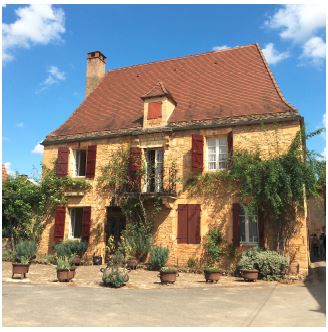 And here a famous ancient Venus, a portable object, a carving on a reindeer horn about 4 inches long, was discovered. She has no facial features. She is considered to be symbolic. She has a large round belly and breasts and wide hips – a mature, experienced woman. Perhaps it is an ode to women who have done their job? Christine explains. She dates to 24,000 years.
 Follow us